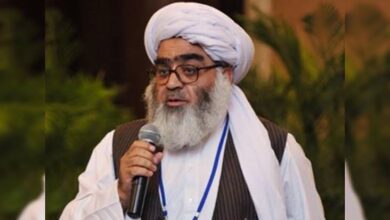
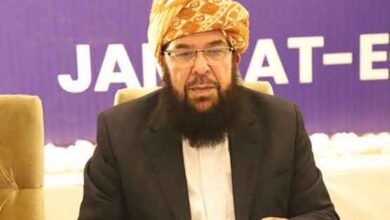
Senator Maulana Abdul Wasay Criticizes Proposed Budget, Calls for Focus on Public Welfare and Addressing Balochistan’s Issues

In a statement regarding the upcoming provincial budget, Jamiat Ulema-e-Islam (JUI-F) Balochistan Amir, Senator Maulana Abdul Wasay, expressed concerns over the allocation of resources and the potential impact on the people of the province. He emphasized that Balochistan has long suffered from neglect, injustice in resource distribution, and a lack of focus on its core issues. If the upcoming budget follows the same pattern as in previous years, it would be another betrayal of the people, he warned.
Maulana Wasay voiced fears that the budget may prioritize the interests of the elite, bureaucracy, and influential classes, while neglecting the struggles and needs of the common man. He highlighted the dire situation faced by Balochistan’s farmers, citing issues such as water scarcity, expensive fertilizers, poor-quality seeds, climate change impacts, and lack of access to markets, which have caused an agricultural crisis. “If the budget fails to include subsidies, easier loans, and practical measures for agricultural infrastructure, it will be an injustice to millions of farming families,” he stressed.
The senator also criticized the deteriorating state of education in Balochistan, where many schools are merely empty buildings with no teachers or proper facilities. He warned that if the budget only focuses on cosmetic improvements in education while ignoring the fundamental issues, it will not bring real change. He called for teacher recruitment, the activation of schools, and the provision of scholarships to students as urgent priorities.
Regarding health, Maulana Wasay pointed out that basic health centers are non-functional, hospitals lack doctors, and the unavailability of essential medicines forces patients to seek care elsewhere. He noted that women in Balochistan, particularly in rural areas, face high maternal mortality rates due to a lack of effective healthcare services. He called for the activation of hospitals, recruitment of doctors, and provision of modern medical facilities in the budget.
Maulana Wasay also expressed concern for the youth of Balochistan, who are facing high levels of frustration, unemployment, and lack of opportunities. “The youth complete their education but find no job opportunities, no vocational training, and no support from the government,” he said. He urged the budget to include internship programs, vocational training centers, transparency in government jobs, and financial assistance for entrepreneurship to prevent further alienation of the youth.
He also highlighted the economic impact of the continuous closure of the Pak-Afghan and Pak-Iran borders, which has created a financial crisis in border areas. “These areas rely on trade, movement, and border activities, and now their populations have become unemployed,” he added. The senator demanded a clear policy in the budget for border regularization, supporting local businesses, and promoting legal trade.
Maulana Wasay further criticized the exploitation of Balochistan’s mineral resources, where local communities and workers remain neglected and unprotected. He called for the inclusion of local participation, employment, safety, and environmental protection in the mining sector within the budget to ensure that the benefits are shared with the people of Balochistan.
The business community also came under his scrutiny, with Maulana Wasay pointing out that poor government policies, heavy taxes, and unnecessary interference by government institutions have created a negative environment for businesses. He urged for tax relief, interest-free loans, and market security measures for small and medium-sized enterprises in the upcoming budget.
On the issue of women’s rights, Maulana Wasay emphasized that the budget should allocate funds specifically for women’s education, healthcare, vocational training centers, and business support. He also highlighted the need for the protection of religious minorities’ rights, including safeguarding their places of worship, providing education, employment, and equal opportunities for them.
Lastly, the senator raised concerns about the security situation in Balochistan, stating that without peace and order, development is impossible. He called for budgetary allocations to enhance the capacity of police and law enforcement agencies, recruit local people, and promote interfaith harmony.
Maulana Wasay concluded by warning the government that this budget is not just a financial document but one that will determine the future of Balochistan. “If this budget does not reflect the public’s interests, address the province’s deep-rooted problems, and offer transparent priorities, Jamiat Ulema-e-Islam will not remain silent. We will raise our voices through all democratic, political, and constitutional means and will not accept a budget that offers relief to a few families while leaving the people in despair,” he stated.