Punjab and Federal Governments Begin Financial Assistance Distribution to Needy Families Amid Eligibility Concerns
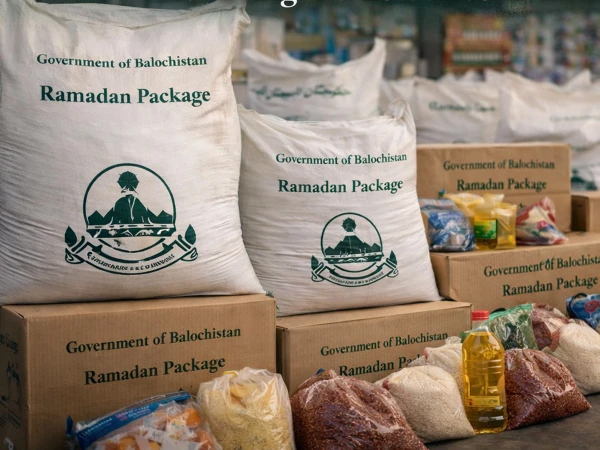
Islamabad : The Punjab and federal governments have started distributing financial aid to needy families during Ramadan, but questions have emerged over eligibility criteria and the selection process. Despite official claims, some low-income households have reportedly been left out, while others not meeting the criteria have received payments.
Under Punjab’s Ramadan Nigehban Program, approximately Rs 47 billion is being distributed among 4.2 million families, with each family receiving Rs 10,000. Similarly, the federal government is distributing Rs 38 billion among 1.21 million families, providing Rs 13,000 per household. Payments are being made via bank accounts, branchless banking agents, and ATMs.


However, irregularities have been reported on the ground. Muhammad Tahir, a daily-wage laborer from Lahore with four children, said he was not visited by survey teams this year, as he was last year. Muhammad Ansar, a waiter from southern Punjab caring for a disabled daughter, also reported not receiving aid despite his medical expenses. When he contacted the helpline, he was told payments were based on survey reports, and a follow-up survey would be conducted with no timeline given.
Conversely, a Lahore resident, Asif, said he was contacted to collect a Rs 10,000 check last year despite earning over Rs 100,000 per month and never applying for aid, raising concerns about the system’s targeting mechanism.
According to Jahan Ara Wato, Vice Chairperson of the Punjab Social Protection Authority, eligibility is determined using the National Socio-Economic Registry and Benazir Income Support Program data, with low-income households prioritized through a poverty score. Assistant Commissioners and relevant district officials verify the lists. General eligibility criteria include not being a government employee, not owning significant property, and having accurate NADRA records.
Aamir Ali Ahmed, Secretary of the Benazir Income Support Program, said third-party validation is being conducted to ensure transparent payments, and aid amounts have been increased compared to last year.
Economists have expressed cautious concerns over the process. Reliance on the social registry can speed distribution, but outdated or inaccurate data may exclude deserving families while including some ineligible households. Economic expert and audit specialist Kokab Zuberi emphasized that verification should go beyond ID or registry data, including assessments of land ownership, income, employment status, and effective field verification.
Experts recommended updating registry data promptly, cross-checking multiple data sources, and activating an efficient grievance redressal system. They also stressed that alongside cash aid, measures such as price stabilization in markets and targeted subsidies are essential to ensure that real benefits reach needy families and overall relief remains effective.