Trump’s Rapport with Field Marshal Asim Munir Gives New Direction to Pak–US Ties: Foreign Policy
Washington: US magazine Foreign Policy has described Pakistan as a major beneficiary of President Donald Trump’s new foreign policy, while placing India among the clear “losers,” acknowledging a significant shift in regional diplomatic dynamics.
In its latest report, Foreign Policy said that since the start of Trump’s second term, Pakistan has made a quiet but effective strategic comeback in Washington, leading to a marked improvement in US–Pakistan relations. The magazine noted that Pakistan has gained a level of trust and direct access that even some close US allies have struggled to achieve.

According to the report, Pakistan’s role in the arrest of a major terrorism mastermind provided the Trump administration with an immediate diplomatic success, helping rebuild confidence between the two countries. As a result, the United States has once again begun to view Pakistan as a credible and effective partner.
The report stated that Pakistan has engaged pragmatically with Trump’s “transactional” foreign policy model, focusing on results-oriented diplomacy. This has included discussions on cooperation and potential agreements in areas such as cryptocurrency, critical minerals, and trade.
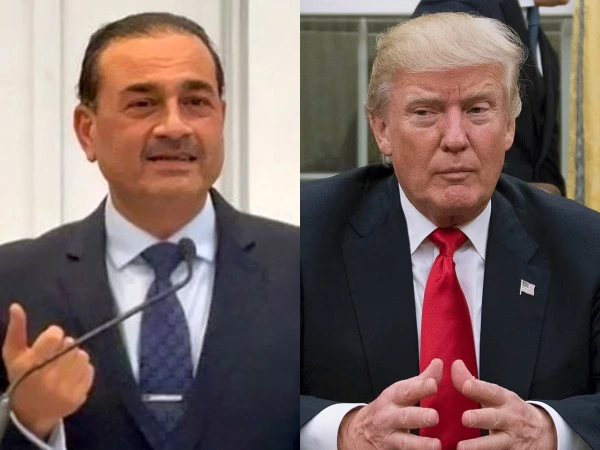
Foreign Policy also highlighted the role of Pakistan’s military leadership, particularly Field Marshal Asim Munir, as a key factor in advancing bilateral ties. It said President Trump’s personal rapport with Pakistan’s military leadership has strengthened Islamabad’s position in Washington. In this context, the reception of Field Marshal Asim Munir and Prime Minister Shehbaz Sharif by US Secretary of State Marco Rubio at the Oval Office was described as a positive and symbolic gesture.
In contrast, the magazine placed India among the “losers” of Trump’s new foreign policy approach. According to the report, US–India relations have fallen to their lowest point in two decades, with American leadership expressing frustration over India’s trade policies, its purchase of Russian oil, and delays in finalizing a trade agreement.
The report added that a 50 percent tariff on Indian goods remains in place, while a bilateral trade deal continues to face uncertainty. Foreign Policy concluded that Pakistan’s renewed diplomatic momentum in Washington has impacted the regional balance of power, leaving India under increased diplomatic pressure.