Lahore’s Air Quality Shows Marked Improvement, City Drops in Global Pollution Rankings
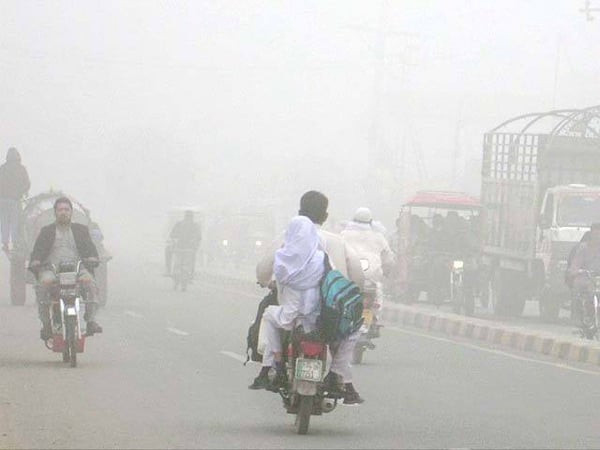
Lahore :Lahore has recorded a significant improvement in air quality, with the Air Quality Index (AQI) measured at 186, leading to a notable drop in the city’s position among the world’s most polluted cities.
The improvement has been observed despite typical mid-December conditions, including cold mornings, low temperatures, high humidity, and stagnant winds. Environmental experts have termed this development a major achievement.

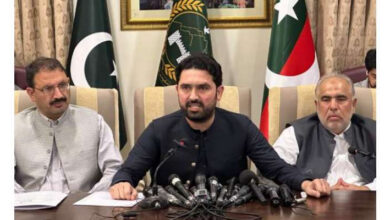
Punjab’s Provincial Minister Maryam Aurangzeb said the positive results are a reflection of Chief Minister Maryam Nawaz Sharif’s effective, coordinated, and timely Smog Action Plan. She stated that, by the grace of God, local pollution has largely been brought under control due to the chief minister’s policies, and the improved air quality—despite unfavorable natural and weather factors—demonstrates the success of government measures.
According to the minister, a multi-sectoral action plan against smog is being implemented throughout the year on the chief minister’s directives. Strict monitoring of industrial emissions, transport, and construction activities has contributed to a noticeable reduction in pollution. In addition, the zero-tolerance policy against crop residue burning has begun to yield positive results.
Maryam Aurangzeb noted that temporary fluctuations in AQI are a natural and seasonal phenomenon; however, government control measures remain firmly in place. She emphasized that smog is not an issue that can be resolved overnight, and that sustained policies, strict enforcement, and public cooperation are essential for long-term improvement.
She added that the improvement in Lahore’s air quality reflects the government’s correct policy direction, while citizens have also shown a sense of responsibility. “The government and the public are working together to control smog,” she said.
The provincial minister reiterated the chief minister’s commitment to making Punjab smog-free on the model of Beijing. She also advised citizens—particularly the elderly, children, and patients—to use face masks, limit vehicle use, and prefer public transport.
Maryam Aurangzeb concluded that if the public continues to act responsibly, the journey toward cleaner air and a healthier environment will continue.