Converting Gastroenterology Institute into Trauma Center Is a Disaster, Decision Must Be Reversed: PMA Quetta
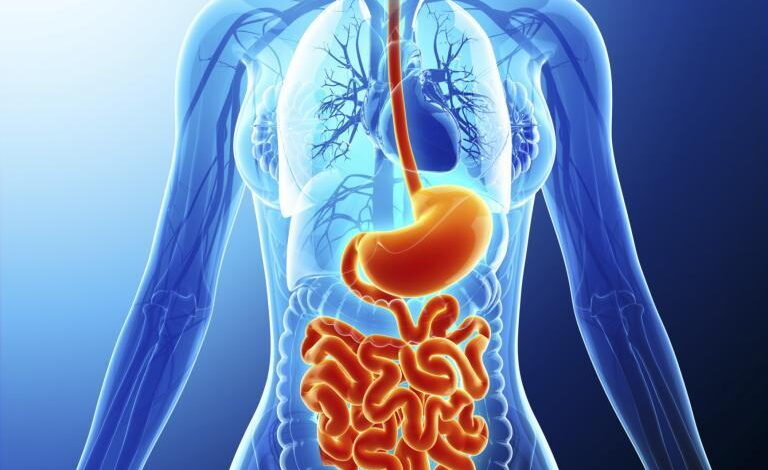
**Quetta:** The Pakistan Medical Association (PMA) Quetta has strongly criticized the Balochistan Health Department’s decision to convert the newly constructed Institute of Gastroenterology, Liver and Intestinal Diseases in Quetta into a trauma center, terming it a “disastrous” and ill-planned move that threatens to further weaken the province’s already fragile healthcare system.
In a statement issued by its spokesperson, PMA Quetta expressed serious concern over the decision to alter and renovate the purpose-built gastroenterology facility and inaugurate it as a trauma center without a comprehensive policy, defined service structure, standard operating procedures (SOPs), trained staff, or essential infrastructure. The association stressed that the building was properly approved, planned, and constructed exclusively for gastroenterology services, and diverting it for another purpose undermines institutional planning and long-term healthcare strategy.

The spokesperson emphasized that according to international standards and World Health Organization (WHO) guidelines, effective trauma and emergency services can only function safely within tertiary-care hospitals such as Bolan Medical Complex Hospital (BMCH) or Civil Hospital Quetta (CHQ), or as formally integrated extensions of these facilities. Establishing trauma centers away from major hospitals without adequate infrastructure, human resources, and systems, PMA warned, is not only ineffective but potentially life-threatening for patients.
PMA Quetta also pointed out that a separate trauma and emergency center had already been formally approved for Sheikh Khalifa bin Zayed Hospital in Quetta. However, due to the health department’s lack of seriousness, poor prioritization, and administrative negligence, no practical progress has been made on that project so far.
The association noted that a large and sensitive city like Quetta requires at least two fully functional trauma and emergency centers, but such facilities must be developed based on clear criteria, standardized SOPs, proper service structures, and broad consultation with all relevant stakeholders—rather than through hasty, poorly coordinated, and symbolic actions.
PMA Quetta further expressed deep regret that technical experts and key stakeholders, including PMA Quetta and the Young Doctors Association (YDA) Balochistan, continue to be ignored in health policy-making. This exclusion, it said, is directly harming the delivery of quality healthcare to the people of the province.
Highlighting the already alarming health indicators of Balochistan—among the worst in Pakistan and in some cases below global standards—the association criticized the authorities for focusing on unnecessary construction, renovations, and cosmetic projects instead of addressing core issues such as basic health facilities, medicines, equipment, trained manpower, and effective management systems. “Healthcare systems are improved by strengthening services, not by buildings alone,” the statement said.
PMA Quetta also raised concerns over widespread governance failures, noting that more than 80 percent of administrative and managerial posts in the provincial health sector are being run on acting or additional charge basis, reflecting institutional weakness, poor governance, and a lack of seriousness—contrary to the claims of the current government led by Chief Minister Mir Sarfraz Bugti.
The association made it clear that no health-related policy, project, or administrative decision would be acceptable unless PMA Quetta and YDA Balochistan are meaningfully and formally involved in the consultation process.
PMA Quetta has urged the Chief Minister of Balochistan, the Chief Justice of the Balochistan High Court, the Chief Secretary, and other senior authorities to take serious notice of alleged violations of merit within the health department, review all unnecessary, unscientific, and ineffective decisions, and ensure that major projects—including trauma and emergency services—are implemented through consultation, agreed standards, and consensus.
Failing this, PMA Quetta warned that it reserves the right, in collaboration with other doctors’ and health professionals’ organizations, to launch a strong and effective protest campaign within the bounds of the law.