Inside Story of PTI Parliamentary Committee Meeting: Heated Arguments Among Leaders
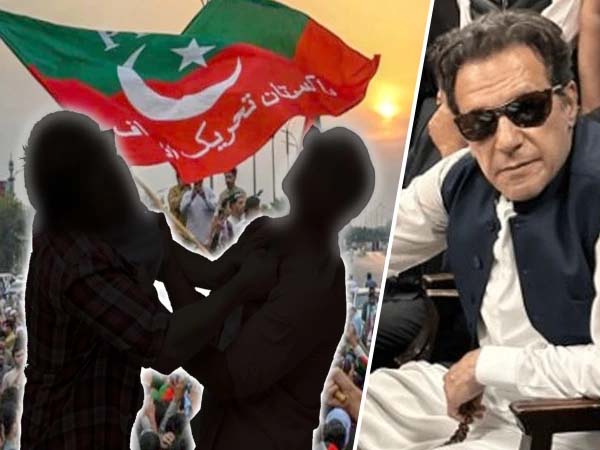
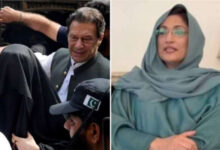
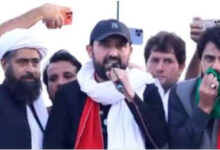
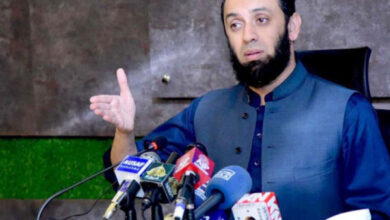
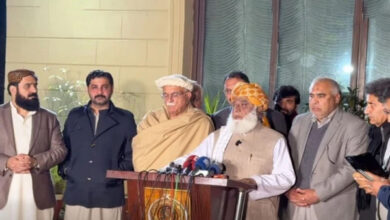
Islamabad: A crucial meeting of the Pakistan Tehreek-e-Insaf (PTI) All-Parliamentary Committee took place, where Members of the Provincial Assembly (MPAs), Members of the National Assembly (MNAs), Senators, and other party leaders gathered. The meeting focused on discussing decisions related to specific seats, but it also witnessed intense verbal clashes between some leaders.
According to sources, the issue of the suspension of 26 MPAs from Punjab was also on the agenda. The meeting began with Aamir Dogar reading a letter from imprisoned leaders.
Sheikh Waqas Akram, addressing the meeting, expressed concerns over the treatment of PTI leaders in jail, stating that some of their imprisoned workers had died due to lack of medical treatment. He urged the party not to make internal differences public.
Nisar Jutt criticized Khyber Pakhtunkhwa Chief Minister Ali Amin for his stance on the provincial budget, asking, “Why was the budget passed after Khan Sahib’s statement on it?” He further stated that party leaders should speak in unison and that Barrister Gohar, appointed by PTI’s founder, should be given full authority to make decisions.
Salmam Akram Raja defended the Khan family’s reputation, particularly that of Imran Khan’s sisters. He stated, “The notion that the sisters are against the party is completely false.”
Ali Muhammad Khan spoke about restricting social media use, emphasizing that it should only be used for the release of the founding chairman, Imran Khan. He also suggested that protests were necessary, adding that Punjab should join the protests, just like KPK had done earlier.
According to sources, when criticism of Punjab was raised, a Punjab-based MNA sharply responded to Ali Muhammad Khan. In return, Ali Muhammad Khan declared, “Punjab is as much yours as it is ours.”
Zartaj Gul praised Salman Akram Raja and Ali Amin Gandapur’s role as Chief Minister of KPK. She advised against protesting in Islamabad and suggested that protests should instead take place in their respective constituencies. Zartaj emphasized that, with the government growing stronger, negotiations with other political parties were a viable option and recommended the formation of a committee for these talks.