Pakistan Approves Austerity Measures Amid War Situation
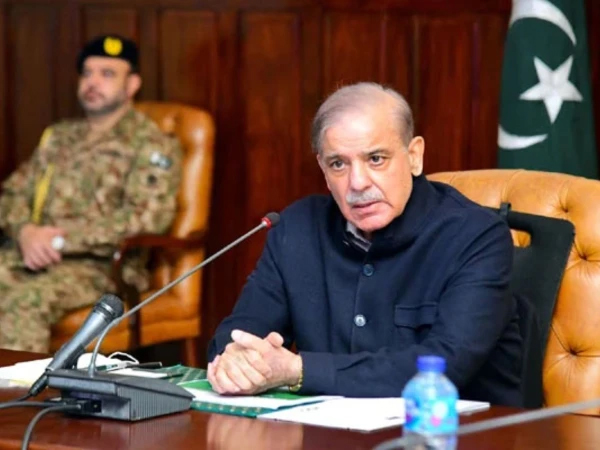
Prime Minister Shehbaz Sharif has approved additional austerity measures in Pakistan due to the prevailing war-like situation, including cuts in salaries of ministers and government officials as well as reductions in non-development expenditures.
According to sources, the decision was taken during a meeting chaired by the Prime Minister to finalize the national austerity policy, attended by chief ministers from all provinces, as well as representatives from Gilgit-Baltistan and Azad Jammu and Kashmir.

Under the new policy, ministers, advisers, and special assistants will voluntarily forgo two months of their salaries and allowances, while senior government officers (Grade 20 and above earning over Rs300,000) will face a two-day salary deduction.
The government has also imposed a complete ban on the purchase of new durable goods until June 2026, while IT-related procurement will only be allowed after scrutiny by the National Information Technology Board and approval from the austerity committee.
In addition, official foreign visits by cabinet members, parliamentarians, and government officers have been suspended, except in unavoidable circumstances. Any approved travel must be undertaken in economy class only.
Fuel allocation for government vehicles will be reduced by 50 percent for the next two months, although operational vehicles such as buses, ambulances, and motorcycles will be exempt. The government expects to save around Rs4.5 billion from this measure.
Authorities have also decided to ground 60 percent of government vehicles for two months and imposed a complete ban on the purchase of new vehicles until June 2026.
Furthermore, the government announced a 20 percent cut in non-development expenditures for the fourth quarter of the fiscal year across all federal and provincial departments, which is expected to save approximately Rs22 billion at the federal level.
The austerity plan also includes restrictions on official banquets, seminars, training sessions, and conferences, with instructions to promote virtual meetings and teleconferencing to reduce expenses.