Supreme Court Observes Decisions Are Not Based on Oaths on the Quran; Bail Plea Rejected
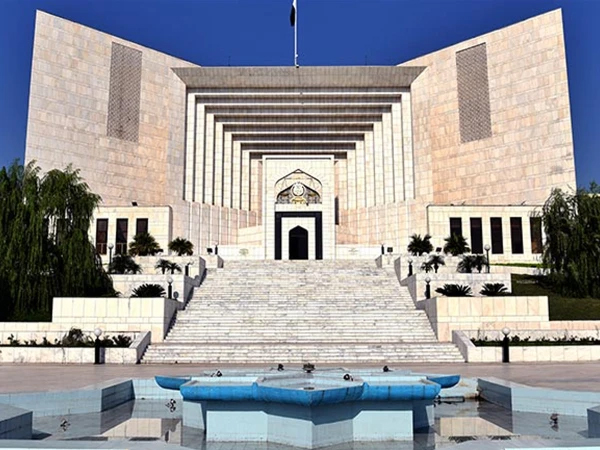
Islamabad: The Supreme Court on Tuesday observed that judicial decisions in Pakistan are not made on oaths taken on the Quran, remarking that if such were the case, prisons would be empty.
The remarks were made by Justice Malik Shehzad Ahmad during the hearing of a case related to allegations of burning houses and livestock of rivals. A two-member bench of the Supreme Court, headed by Chief Justice Yahya Afridi, heard the case and rejected the accused’s pre-arrest bail application.


During the proceedings, Justice Malik Shehzad questioned whether the houses and animals had actually been set on fire. A police official informed the court that the house and livestock were indeed burnt; however, no bullet shells were recovered from the scene.
The complainant’s counsel argued that the accused wanted to purchase a plot from the complainant and, upon refusal to sell, allegedly set the house and animals on fire.
Justice Malik Shehzad further inquired about the findings of the police’s declared and undeclared investigations. In response, the police official stated that the accused had taken an oath on the Quran during a jirga, claiming innocence.
At this, Justice Malik Shehzad remarked that if court decisions were based on oaths taken on the Quran, prisons would be empty, adding that such a practice is not part of the country’s legal system. He emphasized that it is the responsibility of the police to collect proper evidence.
When the police official informed the court that no witness had testified against the accused, Justice Malik Shehzad observed that no one would burn their own house and livestock.
Following the hearing, the Supreme Court dismissed the accused’s pre-arrest bail plea.