Hafiz Naeem ur Rehman Accuses PPP and MQM of “Political Collusion,” Criticizes Karachi Governance
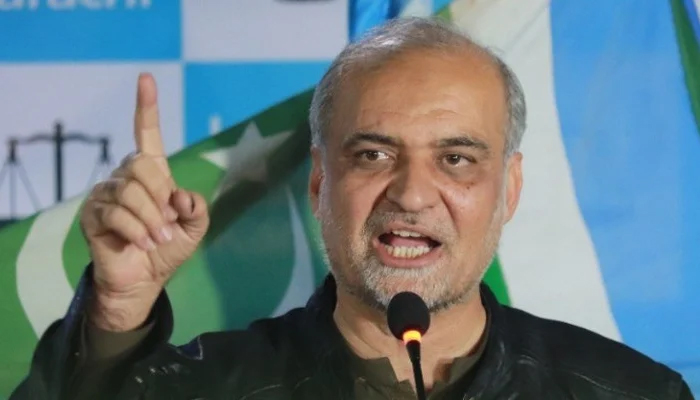
KARACHI: Jamaat-e-Islami chief Hafiz Naeem ur Rehman has accused the Pakistan Peoples Party (PPP) and the Muttahida Qaumi Movement Pakistan of engaging in what he described as a “staged political rivalry,” while criticizing their performance in governing Karachi.
Speaking at a press conference at Idara Noor-e-Haq, Hafiz Naeem claimed that sanitation conditions in Karachi during Eid-ul-Azha were unsatisfactory and alleged that the PPP and MQM had jointly contributed to the city’s decline.

He said that Karachi Mayor Murtaza Wahab also heads the Sindh Solid Waste Management system, but asserted that key municipal institutions, including the water and waste management boards, continue to operate under outdated systems despite the passage of several years.
Highlighting civic issues, the Jamaat-e-Islami leader said Karachi is facing a severe water shortage, with many areas lacking regular water supply, while tanker operators continue to dominate water distribution.
Hafiz Naeem maintained that local governments should be empowered and claimed that Jamaat-e-Islami-administered towns are delivering services beyond their available resources.
Turning to international affairs, he expressed concern over the humanitarian situation in Gaza and criticized U.S. support for Israel. He also questioned the progress of the Pakistan-Iran gas pipeline project and called for expanded trade relations with Iran.
On economic matters, he announced that Jamaat-e-Islami would hold a seminar in Islamabad on June 3 to present budget proposals. He argued that inflation continues to burden ordinary citizens and called on government leaders to reduce unnecessary expenditures.
The Jamaat-e-Islami chief further criticized taxation policies, claiming that salaried individuals bear a disproportionate tax burden. He also called for greater fuel price reductions and economic reforms to stimulate growth and prevent further financial difficulties.
His remarks come amid ongoing political debate over municipal services, economic policy, and governance issues in Pakistan.