Fake Rulers Have Turned Balochistan Into Ruins,” Says JUI Leader Maulana Abdul Wasey
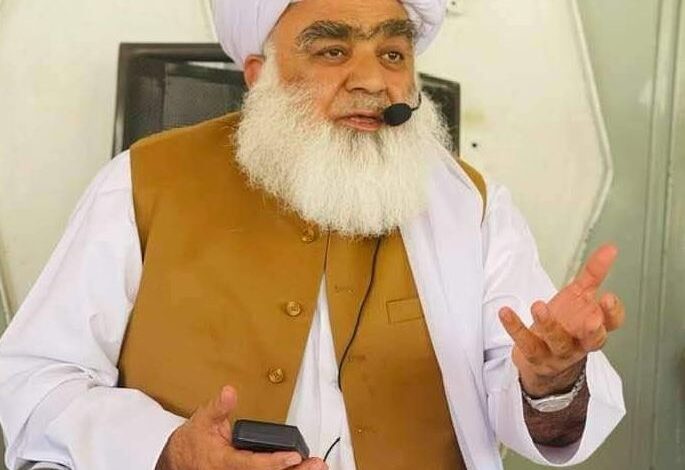
Quetta (Daily Qudrat) — Jamiat Ulema-e-Islam Balochistan chief and Senator Maulana Abdul Wasey strongly criticized the provincial leadership, stating that “fake and incompetent rulers” have reduced Balochistan to ruins through their failed policies, indifference, and unforgivable negligence. He said these actions have shaken the province’s social, economic, and commercial foundations.
Maulana Abdul Wasey said the situation has deteriorated to the point where traders are shifting their businesses out of the province, investors are withdrawing capital, and commercial activity has come to a standstill. This, he stressed, is not only alarming but a grave warning for the entire governance structure, as the business community has completely lost confidence and feels unheard.


He added that the business sector — once considered the engine of growth — is now gripped by hopelessness and uncertainty. The collapse of employment opportunities, the decline of trade, and the flight of investment have pushed both citizens and investors to the edge of economic devastation. Education, healthcare, employment, and basic services, he said, all reflect a rapidly decaying system, while government machinery remains a silent spectator.
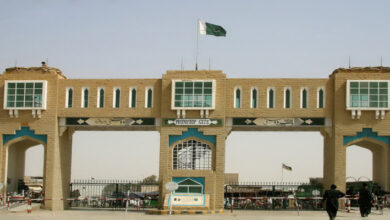
The JUI leader said the livelihood of the people of Balochistan depended on three pillars, but the government destroyed all three through incompetence, mismanagement, and apathy. About 53 percent of the province’s population lives in border districts and relies directly on border trade, but the government’s closure of border routes has left hundreds of thousands without daily livelihood. Thousands of families have lost income, business operations have collapsed, and the entire border belt now resembles an economic disaster zone.
Discussing agriculture, he said recent floods completely destroyed Balochistan’s farmlands. Fields, orchards, crops, and livestock were wiped out, yet the government took no meaningful steps to support the affected farmers. People who depended on agriculture for generations are now homeless, jobless, and displaced — a situation that could soon lead to a severe food crisis.
On mining, he said Balochistan’s mineral wealth is valuable to the state but remains inaccessible to the common man. Thousands of laborers, miners, and small contractors face security threats and a lack of support, leaving them trapped in unsafe and unstable conditions. Their plight goes unnoticed, pushing entire families into economic hardship and psychological distress.
Calling the situation nothing short of a tragedy, Maulana Abdul Wasey said incompetent rulers have crippled the province’s resources, trade, agriculture, and mineral sectors. Despite the suffering of traders, farmers, miners, and ordinary citizens, no institution has taken action.
He demanded immediate and decisive measures: restoration of border trade, emergency relief and rehabilitation for affected farmers, protection and facilities for those connected to mining, and strict accountability of those responsible for the destruction.
He concluded that Balochistan cannot progress unless its three economic pillars are restored. The province stands at a critical turning point, and if urgent steps are not taken, future generations will pay the price for today’s mismanagement and incompetence.