FPCCI Urges Government to Postpone Tax Fraud Arrest Powers, Mandatory Bank Transactions for Rs. 2 Lakh and Above
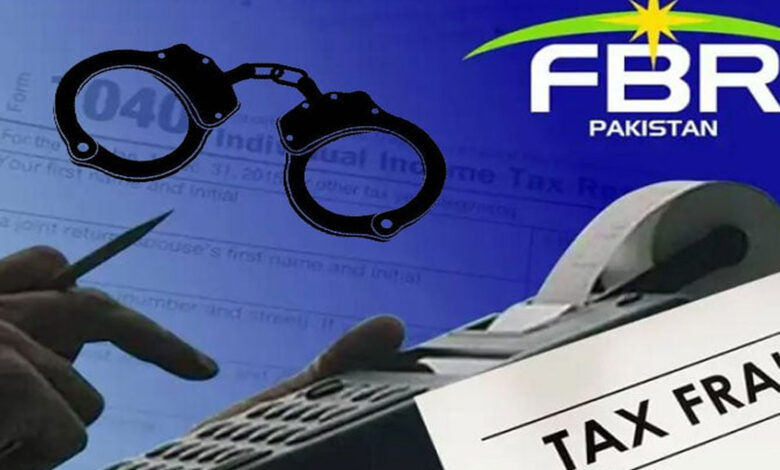
The Federation of Pakistan Chambers of Commerce and Industry (FPCCI) has called on the government to delay the enforcement of tax fraud arrest powers and the mandatory use of banking channels for transactions exceeding Rs. 2 lakh. The request came during a meeting in Islamabad attended by representatives from various business associations across the country, including the Ghee and Cooking Oil Mills Association, Flour Mills Association, Islamabad and Rawalpindi Chambers, and the Karachi and Lahore Chambers, as well as traders, real estate agents, and other stakeholders.
During the meeting, the business community expressed concerns over the potential impact of these new measures on their operations and warned the government of severe actions if their demands were not addressed. Initially, FPCCI leadership announced a nationwide strike scheduled for July 19, but this decision was later retracted following assurances from the Federal Board of Revenue (FBR).

Dr. Hamid Atiq Sarwar, Member Operations Inland Revenue at the FBR, assured the business leaders that the powers to arrest under Section 37A of the Sales Tax Act would only apply to those involved in large-scale tax fraud, such as individuals engaged in issuing fake or flying invoices causing significant damage to the national treasury.
He clarified that of the 200,000 registered entities, only 60,000 are registered sales tax filers, and these powers would not be used to target genuine manufacturers or traders.
The President of the Pakistan Real Estate Federation, Sardar Tahir, highlighted an issue in Islamabad, where the CDA (Capital Development Authority) had unilaterally increased the stamp duty from 1% to 3%, effectively eliminating tax relief benefits for property buyers.
In response, Minister of State for Finance Bilal Azhar Kiani assured the business community that the matter would be raised with the Finance and Interior Ministers. He emphasized that, although the Finance Act 2025 had already been passed by Parliament and could not be amended, the government would not tolerate misuse of the powers granted under it. He also proposed monthly meetings with business leaders to address concerns in a timely manner.
Dr. Hamid Atiq further clarified that arrest powers would only be applied to individuals involved in fraudulent schemes involving over Rs. 100 billion through fake invoices, and not to ordinary manufacturers or traders. Additionally, the requirement for transactions over Rs. 2 lakh to be conducted via banks would only be implemented in the fiscal year 2026-27 and would be scrutinized only in the case of audits.
Minister of State for Finance Bilal Azhar Kiani emphasized the government’s efforts to stabilize the economy, with inflation reduced from 38% to a single-digit rate of 4.5%, and the policy rate lowered from 22% to 11%, providing relief to the business community. He assured that despite the IMF program, the budget was designed to include elements of public relief and that under Prime Minister Shehbaz Sharif’s leadership, privatization, institutional reforms, and efforts to control fiscal deficits were all contributing to economic stability and growth.