Balochistan Faces Severe Economic Impact Due to Closure of Two Key National Highways
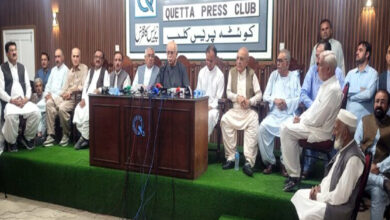
Quetta:The closure of two major national highways in Balochistan over the past 10 days has significantly worsened the difficulties faced by the public, traders, and transporters. The ongoing blockade, which started due to protests by the Baloch National Party (BNP) against the arrest of party leaders, has led to millions of rupees in daily losses.
According to the President of the Quetta Chamber of Commerce, Mohammad Ayub Mariani, the closure has resulted in a daily loss of approximately 120,000 US dollars (about 36 million rupees) in demurrage charges for containers alone. This figure does not account for other financial losses. Since March 28, the protestors have been blocking key roads, including National Highway N-40, connecting Pakistan to Iran, and National Highway N-25, which links Quetta to Karachi. The Pakistani government has blocked these roads by setting up containers and digging trenches to prevent the protesters from advancing.

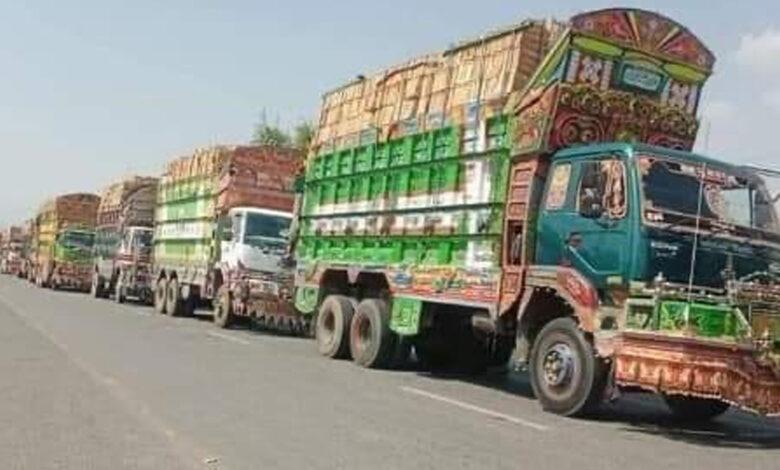
Mariani reported that as a result of the closure of N-40, over 1,200 cargo vehicles, including 847 tankers carrying LPG and petroleum products, have been stranded at the Iranian border. Each vehicle faces daily demurrage charges of 100 dollars. He also highlighted that 200 vehicles carrying perishable goods like potatoes and rice are stuck at the NLC dry port in Quetta, and the goods are at risk of spoiling. The local market cannot absorb these items due to low demand and low prices.
The blockade has not only affected local commerce but also severely impacted national and regional trade. Millions of people’s livelihoods are at stake, and traders are suffering substantial financial losses. Mariani has urged the government to open the roads immediately and find a peaceful resolution to the ongoing protest.
Haji Mazfar Ali Lehri, owner of Balochistan’s largest transport company, stated that the transport sector is facing a severe crisis due to the unrest and road closures. He mentioned that their business had been affected for the past three months, and it had completely halted in the past 10 days. The closure of the shortest and most critical route linking Quetta to Karachi, which previously saw 12 to 15 vehicles running daily, has left only 2-3 vehicles using longer and costlier alternative routes, leading to additional fuel consumption and higher fares.
Haji Malik Shah Jamaldini, President of the All Quetta Taftan Bus Union, mentioned that over 100 buses and vans used to operate daily on routes such as Quetta to Nokundi, Taftan, and Dalbandin. However, for the past 10 days, these buses have been grounded, causing severe hardship for passengers, particularly those seeking medical treatment, education, and other essential services. He added that many bus owners have taken out loans of up to 3.5 crore rupees to buy buses, and they now face difficulties in paying monthly installments, maintenance costs, and staff salaries.
Transporters are also facing mounting pressure from rising operational costs due to the closure of the main routes. These closures are significantly hampering the movement of goods, services, and people across the region, leading to an escalating crisis for both businesses and the general public.
The ongoing impasse between the government and the protestors has created a volatile situation that demands urgent attention to alleviate the suffering of the public and mitigate the economic losses caused by the road closures.