New System from October 15! Big News for Consumers Withdrawing Money via Cheque
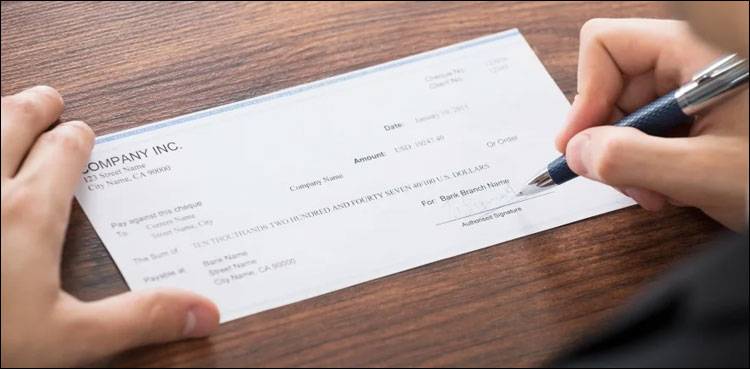
Karachi (Qudrat Daily) – The State Bank of Pakistan has completed preparations to change the cheque clearing system in banks, with the pilot phase of the new clearing system set to begin on October 15, 2026.
According to details, the State Bank of Pakistan has decided to modernise the country’s cheque clearing system, under which clearing will now be done through the electronic image of a cheque instead of the physical cheque.


The State Bank has said that the pilot phase of the Pakistan Express Clearing System (PECS) will begin on October 15, 2026, while full implementation of the system across the country will be completed by April 30, 2027.
How Will the New Clearing System (PECS) Work?
Under the new system, when a customer deposits their cheque at a bank, that bank will scan the cheque and send its electronic image to the clearing house, ‘NIFT’.
‘NIFT’ will send this electronic image to the relevant branch, which will decide whether to transfer the funds or reject the cheque based on this image and its captured data.
What Will Happen to the Physical Cheque?
The paper cheque will remain with the same bank where it was deposited, until the clearing house receives it. However, if the relevant bank has any doubt about the authenticity or image of the cheque, it can mark it “Defer for Physical” and request the paper cheque.
Two Ways to Scan a Cheque
The bank branch where the cheque is deposited will scan the cheque using its specific scanner and send the image to the NIFT system.
If a branch does not have scanning facilities, NIFT itself will collect and scan the cheque and send the image to the relevant bank.
According to the State Bank, the pilot phase will run from October 15 to November 15 in limited banks and institutions, after which, from November 16 to December 31, the system will be extended in phases to other relevant institutions and their branches.
The purpose of this system is to make cheque clearing and settlement faster, more efficient, and more secure, while further strengthening the country’s digital payments system.