Pakistan Explores Measures to Shield Public from Rising Oil Prices Amid Regional Tensions
Pakistan is considering multiple financial and policy measures to prevent further increases in petroleum product prices if global oil prices rise due to the ongoing conflict in the Middle East following US and Israel’s attacks on Iran, according to government sources.
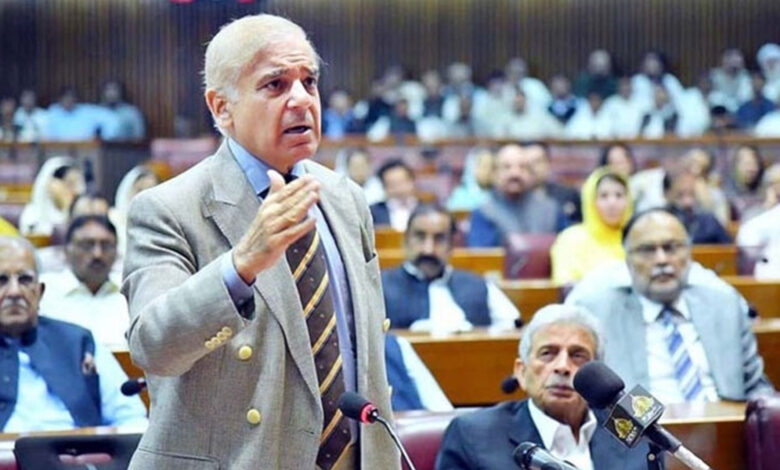
Prime Minister Shehbaz Sharif, in a televised address on Monday, warned that the region is currently under high tension, noting that international crude oil prices have already risen sharply. This, he said, forced the government to make difficult decisions, including a recent **Rs 55 per liter increase in petrol and diesel prices**.


However, the prime minister emphasized that the government aims to shield consumers from the full impact of any further global price hikes. A senior official said the government is reviewing options to absorb part of the increased international oil costs instead of passing them entirely onto consumers.
One possibility being considered is using a portion of the **federal development budget** to cover additional import costs, which could help reduce domestic fuel price pressures amid already high inflation. Another proposal is to request flexibility from the International Monetary Fund (IMF) on petroleum-related taxes, such as the petroleum levy and other duties, arguing that price increases are driven by factors beyond Pakistan’s control.
Officials warned that if tax relief is not granted, the full burden of rising global oil prices may fall on consumers, potentially pushing petrol prices to unprecedented levels. This could trigger a new wave of inflation, increase transportation and production costs, and add further strain to the already fragile economy.
Policy makers are particularly concerned that sharp increases in fuel prices could have cascading effects on the cost of essential goods and undermine economic stability. Government sources noted that the **Rs 55 per liter increase** already implemented has been a significant burden on the public.
Prime Minister Sharif acknowledged that the rise in petroleum prices is a difficult decision taken under economic necessity, but the government remains aware of its impact on low-income households. Authorities are monitoring global oil markets and regional developments closely, prioritizing uninterrupted fuel supply while trying to minimize economic pressure on citizens.