Ancient Frozen Bacteria Found Resistant to 10 Modern Antibiotics
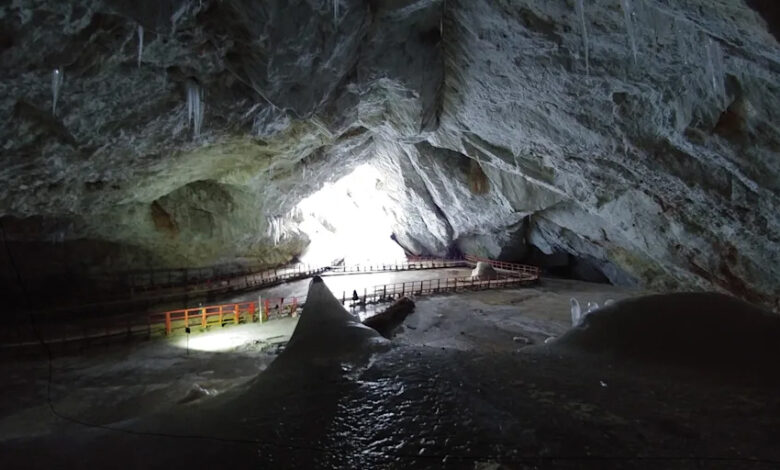
Islamabad (Qudrat Roznama) – Scientists have discovered bacteria in an ancient underground ice cave that are resistant to ten commonly used modern antibiotics.
Ice caves serve as habitats for various microorganisms. Experts warn that if the ice in these caves melts, the bacteria could be released into the environment, potentially worsening the growing global crisis of antibiotic resistance.


However, researchers also suggest that these microbes could help develop new strategies to tackle antibiotic-resistant infections. The overuse of antibiotics has made many drugs less effective, accelerating the threat of resistance.
The bacteria, identified as **Psychrobacter SC65A.3**, were recovered from a 5,000-year-old ice layer in a cave in Romania. This cold-adapted organism can cause infections in both humans and animals.
Experts note that while such bacteria pose a potential threat, they also offer opportunities for scientific research. Dr. **Cristina Purcarea**, a senior scientist at the Institute of Biology Bucharest, Romanian Academy, stated that if melting ice releases these microbes, their resistance genes could transfer to modern bacteria, intensifying the global antibiotic resistance crisis.