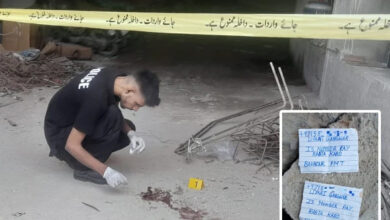
Food Stalls Along Broken Roads Turn into Breeding Grounds for Diseases in Karachi
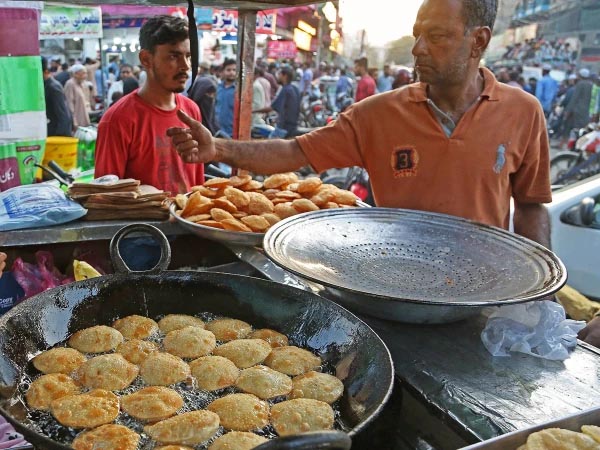
Karachi: Karachi, often referred to as the city of lights, is grappling with multiple civic problems, including broken roads and open sewage lines, which have severely damaged the city’s outlook. Over the past several years, food streets and roadside stalls have mushroomed along damaged roads in various parts of the city, attracting thousands of people daily who gather to enjoy barbecue and other popular street foods.
However, these food streets are increasingly becoming a serious health hazard. Food is prepared and served in unhygienic conditions, as dust from broken roads and exhaust fumes from vehicles mix with meals being cooked along the roadside. Many people also consume food while sitting on pavements next to busy roads, further exposing themselves to pollution.


Health experts have termed food streets located near open drains and damaged roads as extremely dangerous for public health. They warn that foul smells from open sewage lines enter food and, ultimately, the human body, contributing to a rise in various diseases. In several areas, food streets are set up directly over drains filled with garbage, emitting strong odors amid heavy traffic, dust, and smoke. Experts say food quality in such congested areas is poor, and staff at these stalls rarely follow basic hygiene practices.
According to medical experts, uncovered food items sold openly are often surrounded by flies and mosquitoes. Food prepared or sold under polluted conditions, using dirty utensils, contaminated water, or substandard ingredients, can lead to serious illnesses including food poisoning, cholera, typhoid fever, hepatitis A and E, diarrhea, stomach disorders, E. coli infection, and gastroenteritis.
Former Secretary General of the Pakistan Medical Association, Dr. Qaiser Sajjad, told Express Tribune that unfortunately food items are openly sold at roadside food streets in extremely unhygienic conditions. He said fumes from open sewage drains and dust from damaged roads contaminate food and enter the human body through breathing and consumption. Stagnant and overflowing sewage water contains harmful bacteria and viruses that severely affect human health.
Dr. Sajjad added that Karachi’s residents are not only living in a polluted environment but are also dining atop sewage lines, which is a major health hazard. He warned that eating in such unsafe and unhygienic surroundings can lead to life-threatening diseases. Harmful bacteria such as E. coli, Salmonella, and Shigella thrive in these environments, increasing health risks.
He further stated that illnesses such as diarrhea, food poisoning, gastrointestinal infections, hepatitis A, and other health complications are on the rise due to unhygienic food practices. Contaminated water is often used to wash utensils at these stalls, while barbecue food—highly popular at such locations—is frequently undercooked, with raw meat and even animal blood visible, posing severe health risks.
Dr. Sajjad also warned about the presence of parasites that cause intestinal worms, along with flies, mosquitoes, and allergy-causing insects. In many areas, food streets are located near garbage dumps emitting foul odors and breeding germs, yet families continue to dine there, unaware that they are taking diseases home along with their meals.
He noted a continuous rise in cholera, dysentery, and food poisoning cases. Karachi is already suffering from severe air pollution, and the dust mixing with food is contributing to a sharp increase in asthma, respiratory infections, allergies, sinus issues, and lung diseases. Doctors are increasingly prescribing antibiotics, leading to a surge in antibiotic use across the city.
Health experts have urged authorities to take immediate action to regulate food streets, improve sanitation, and ensure public safety before the situation worsens further.