Pakistan Downed Indian Rafale Jets Using PL-15 Missiles: Report
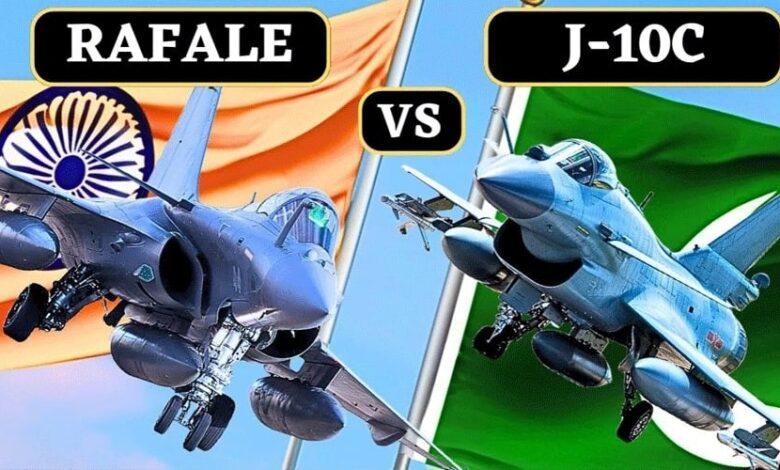
Islamabad : A British news agency has revealed astonishing new details about how Pakistan’s air force successfully downed Indian Rafale fighter jets using advanced PL-15 missiles. According to the report, Indian pilots mistakenly believed they were out of range of Pakistan’s PL-15 missiles, which are capable of targeting aircraft at distances of up to 200 kilometers.
The report highlights that during the aerial combat, which involved over 110 fighter jets from both sides, Pakistan’s military employed a multi-domain operation strategy. The Pakistan Air Force (PAF) used integrated air, land, and space sensors, while simultaneously jamming Indian radar systems, rendering the Rafale pilots unaware of their vulnerable position.
The incident occurred on the night of May 7, when Indian jets appeared on Pakistan’s radar. Upon detection, Air Chief Marshal Zaheer Siddhu immediately ordered the deployment of J-10C fighter jets to intercept the Indian aircraft. The Pakistani jets, which had their radars turned off to avoid detection by Indian radar systems, were able to approach the Rafale jets undetected and strike them with PL-15 missiles from a distance of 200 kilometers.
The British news agency also confirmed that Indian intelligence miscalculated the range of Pakistan’s missiles, underestimating the effectiveness of the PL-15 system. The report notes that this was one of the largest aerial battles in decades, with both sides engaging in intense aerial combat.
Pakistan’s advanced information warfare capabilities were a significant factor in the success of the operation, according to the report. The use of sophisticated sensor networks allowed Pakistan to maintain an upper hand in the battle, demonstrating superior intelligence and coordination.
In response, India is reportedly seeking to develop a similar air defense system, learning from Pakistan’s integrated approach. However, India faces difficulties due to its reliance on a diverse range of aircraft from different countries, which may complicate their strategic operations.
The aerial conflict, which saw Pakistan launch a counter-offensive with 70 aircraft, ended with significant losses for the Indian side, as the Rafale jets were taken down and their pilots remained unaware of the incoming threats due to the radar jamming.