Lung Cancer in Non-Smokers on the Rise: A Distinct Disease Affecting Women and Asians More Severely
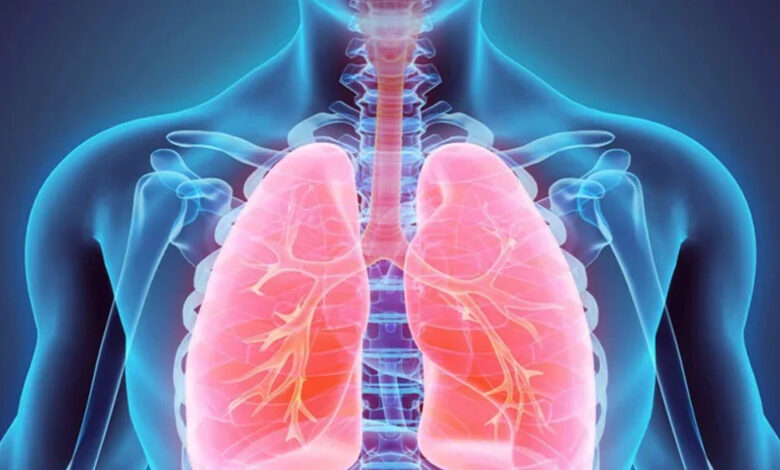
A sharp increase in lung cancer cases among non-smokers across Europe, America, and Asia has alarmed health experts, who are now classifying it as a distinct disease separate from traditional smoking-related lung cancer. This particular form, identified as **adenocarcinoma**, is increasingly affecting women—especially Asian women—and younger individuals.
According to specialists, **genetic mutations**, particularly in the **EGFR gene**, are a major cause behind this type of lung cancer. These driver mutations are found more frequently in women and individuals of East Asian descent. Unlike the lung cancers typically linked to smoking, this cancer often originates in the mucus-producing cells of the lungs.


**Air pollution** is emerging as the second major factor. Fine particulate matter from vehicle emissions, industrial activities, and wildfires may not directly mutate DNA but can activate hidden genetic changes that lead to tumor growth. **Household air pollution**, particularly from burning wood or coal in poorly ventilated homes, poses a significant risk for women who spend more time indoors.
Hormonal influences also play a role. Estrogen, a primary female hormone, may contribute to the proliferation of genetic mutations. Studies show that Asian women exhibit higher rates of estrogen-related gene alterations.
One of the major challenges is **late diagnosis**, as early symptoms such as coughing, chest pain, or shortness of breath are often mild. As a result, the cancer is frequently detected at Stage 3 or 4. However, **targeted therapies** have been developed to treat specific genetic mutations, allowing some patients to survive 10 years or longer. Despite this, resistance to medication can develop over time, prompting ongoing research for new treatments.
The **World Health Organization (WHO)** continues to urge global action to improve air quality, yet nearly **99% of the world’s population still breathes unhealthy air**.
As smoking rates decline globally, **environmental pollution and genetic research have become the new frontiers in lung cancer prevention and treatment**. Public awareness is also crucial to eliminate the stigma faced by non-smokers diagnosed with lung cancer, ensuring they receive support and proper care.