Govt Proposes Extra Charges on Cash Purchases, Including Petrol, to Promote Digital Payments in Budget 2025-26
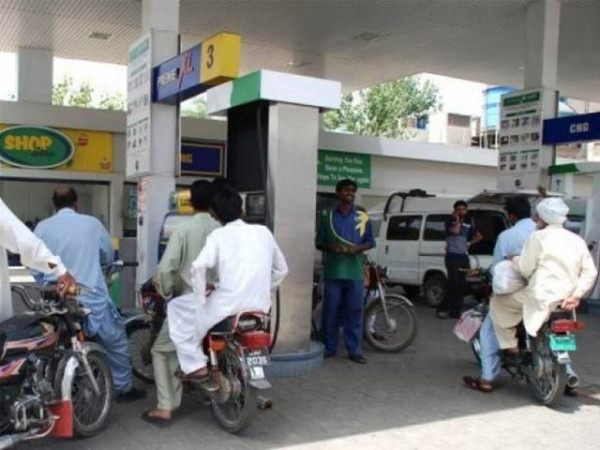
Islamabad: The government is planning significant steps to promote digital payments in the upcoming Federal Budget 2025-26, including a proposed surcharge of up to Rs. 3 per liter on cash purchases of petrol, sources revealed.
According to reports, the Finance Bill for the next fiscal year is likely to include measures aimed at discouraging cash transactions across various sectors. The proposed policy aims to incentivize consumers and businesses to shift towards digital payment modes such as QR codes, debit/credit cards, and mobile wallets.
One key suggestion under consideration is to impose an additional charge on all cash-based purchases, including petroleum products. Specifically, petrol stations may charge up to Rs. 3 more per liter if payment is made in cash instead of through digital methods.
Sources further disclosed that manufacturers and importers may be allowed to charge an additional 2% tax on cash sales, if the proposal is approved. Moreover, retail shops may also face similar measures to reduce reliance on cash.
To implement this policy effectively, the government has already held multiple consultations with the corporate sector. Additionally, digital payment infrastructure, such as POS machines and QR code integration, will be expanded at petrol pumps and retail outlets nationwide.
The restaurant sector already enjoys tax exemptions on card payments, and similar incentives may be extended to other industries. However, for salaried individuals, no major tax relief is expected in the upcoming budget, with sources indicating only minimal adjustments in income tax brackets.
Importers and manufacturers will also be required to charge the standard 18% General Sales Tax (GST) on digital payments to suppliers and customers. These payments must be conducted via QR codes or other recognized digital solutions.
This initiative reflects a broader government strategy to formalize the economy, enhance tax documentation, and curb cash-based transactions, which often evade taxation and hinder transparency.