Harvard Scientists Develop Groundbreaking Method to “Cure” Mosquitoes and Stop Malaria Transmission
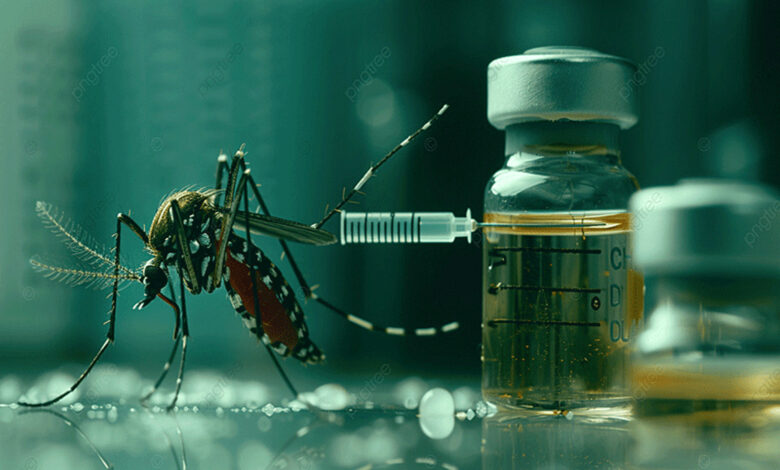
In a major scientific breakthrough, researchers from Harvard University have discovered a novel way to combat malaria—not by killing mosquitoes, but by curing them.
According to a BBC report, malaria continues to claim the lives of approximately 600,000 people annually, the majority of whom are children. The disease spreads when female mosquitoes bite humans and transmit the malaria parasite into their bloodstream.


Traditionally, efforts have focused on killing mosquitoes using insecticides, especially through treated bed nets. However, growing resistance to insecticides in many regions has made these methods less effective over time.
Now, a Harvard research team has identified two drugs that can be absorbed through mosquitoes’ legs and eliminate the malaria parasites inside them. By coating bed nets with this drug cocktail, scientists believe it is possible to “cure” the mosquitoes, making them incapable of transmitting malaria to humans.
Dr. Alexandra Probst, one of the leading researchers, explained that this is a fundamentally new approach. “Until now, we’ve only tried to kill the mosquito. We never attempted to directly target the parasites inside them,” she said.
The team screened a large library of potential drugs and narrowed it down to 22 candidates, eventually identifying two that achieved 100% success in killing the malaria parasites during lab tests. These drugs were also tested on net-like materials to simulate real-world application.
“When an infected mosquito lands on the treated net, the parasite is killed inside the mosquito. This means the insect can no longer spread the disease,” Dr. Probst added.
One of the major advantages of this approach is its longevity. The drugs remain effective on nets for up to a year, making them a cost-effective and durable alternative to traditional insecticides. Moreover, the low number of parasites in each mosquito makes it unlikely for resistance to these drugs to develop.
Field trials are planned in Ethiopia to test the effectiveness of these anti-malaria bed nets in real-world conditions. The full evaluation and implementation process may take up to six years, but experts are optimistic that combining these drugs with insecticides could create a powerful dual-action tool against malaria.
If successful, this innovation could transform global malaria prevention strategies and save countless lives.