UAE Announces Exit from OPEC and OPEC+ Alliance
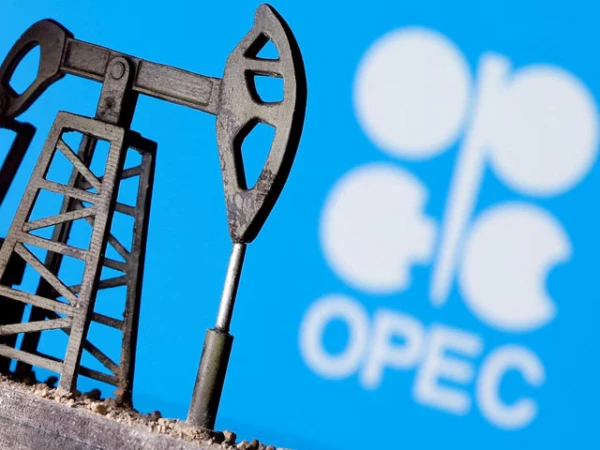
ABU DHABI: The United Arab Emirates has announced its decision to withdraw from both Organization of the Petroleum Exporting Countries and OPEC+ effective May 1, according to an official statement from the Ministry of Energy.
The move also includes exiting the broader OPEC+ group, which includes allied producers such as Russia.
In its statement, the UAE Ministry of Energy said the decision was based on the country’s long-term economic strategy and the evolving global energy landscape. It added that the step followed a comprehensive review of production policies, national security considerations, and domestic energy requirements.
The ministry further stated that despite leaving the oil-producing alliances, the UAE will continue to act responsibly in global markets and will gradually supply additional crude oil in line with market demand.
OPEC, founded in 1960, is an intergovernmental organization that coordinates oil production policies among member countries to stabilize global oil prices. The UAE joined the organization in 1967 and has since been one of its key members, ranking among the largest oil producers in the region after Saudi Arabia.
Officials noted that the UAE has faced increasing differences with OPEC policies in recent years, particularly regarding production quotas. The country had been pushing for higher output limits to match its expanding production capacity.
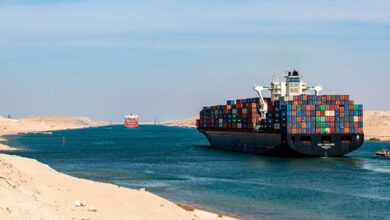
The announcement comes amid broader regional energy concerns, including risks to key export routes such as the Strait of Hormuz, through which a large portion of Gulf oil exports pass.