Iran Sets New Ceasefire Condition, Seeks Recognition of Control Over Strait of Hormuz
Tehran: Iran has introduced a significant new condition for ending ongoing tensions with the United States and Israel, demanding global recognition of its full sovereignty over the strategically vital Strait of Hormuz.
The Strait of Hormuz is one of the world’s most critical maritime corridors, through which nearly 20% of global oil and liquefied natural gas supplies are transported. Recent developments have further underscored its geopolitical importance.


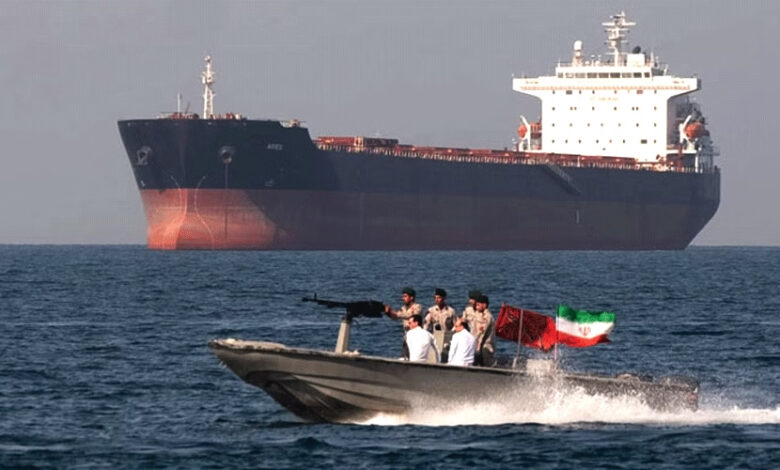
During the latest escalation, Iran has effectively demonstrated its influence over the waterway. Shipping activity in the region has reportedly become dependent on Tehran’s conditions, with several countries engaging directly with Iranian authorities to ensure safe passage for their vessels.
According to reports, including coverage by CNN, Iran maintains that regional instability stems from the actions of the United States and Israel. As a result, it has emphasized the necessity for vessels to coordinate with the Iranian navy to ensure maritime security.
Rather than enforcing a complete blockade, Iran has adopted a “controlled access” model, allowing passage to vessels from non-hostile countries. For instance, Pakistani ships are reportedly being permitted daily transit, which has been described as a constructive step toward regional cooperation.
Analysts suggest that Iran has leveraged the crisis to transform its geographic position into a powerful economic and strategic tool. Tehran is now aiming to convert this influence into sustained economic gains, potentially generating billions of dollars annually by charging transit fees to passing vessels.
Iranian officials and commentators argue that if the country faces sanctions or restrictions on its oil exports, it retains the right to apply reciprocal pressure by controlling access to the Strait. Some view this control as both a legal and strategic entitlement, particularly under conditions of economic strain.
On the ground, current shipping patterns appear to reflect Iran’s growing influence, as many vessels are reportedly navigating through designated routes near Iranian waters—an indication of Tehran’s effective operational control over the region.