Educational Crisis in Balochistan: Schools Closed for 4 Months, Online Learning Remains a Distant Dream
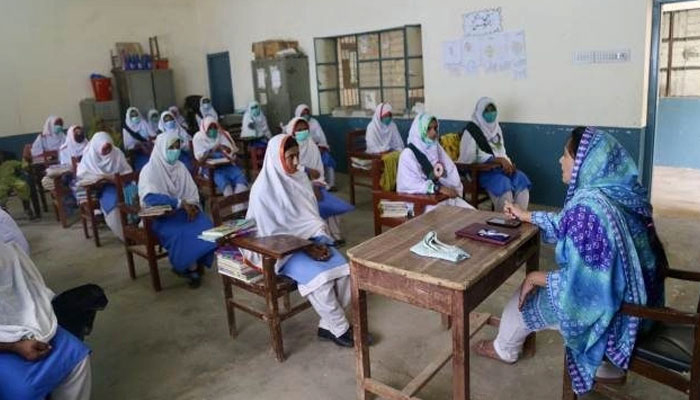
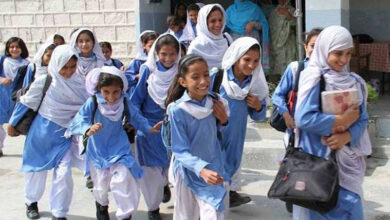
Quetta: Balochistan’s education sector faces a severe crisis as schools remain closed for over four months due to fuel-saving measures amid global energy shortages and rising regional tensions between Iran, the U.S., and Israel. The province, already struggling with a shorter academic year, risks leaving over 3.5 million children out of school.
Academic Calendar Disrupted
According to Nazir Mohammad Barich, President of the Balochistan Private School Federation, winter holidays in colder regions such as Quetta, Qalat, and Ziarat typically start mid-November. The new academic year, scheduled for March 1, has been stalled due to continuous closures during Ramadan and ongoing energy crises. Experts warn that while schools are expected to operate 200 teaching days annually, Balochistan barely achieves 100.


Online Learning: An Unrealized Alternative
Government proposals for online classes are deemed impractical due to:
Limited Internet Access: Most rural areas lack reliable connectivity, making video classes impossible.
Electricity Shortages: Load-shedding restricts the use of digital devices for students.
Economic Disparity: Many families cannot afford smartphones or laptops, deepening the educational gap between wealthy and poor students.
Expert Warnings
Education expert Zahid Jan Mandokhel warns, “Repeated closures disrupt students’ learning and mental development. Thousands of children already left school during the COVID-19 pandemic; continued policies could worsen the situation, causing long-term damage to the province.”
Calls for Action
Local education leaders and citizens urge:
Adoption of a hybrid model (e.g., classes three days a week) instead of full closures.
Restriction of non-essential government vehicle use to save fuel.
Treating education as a fundamental right, insulated from political and economic crises.
Officials and citizens stress that failing to consider Balochistan’s unique geographic and educational challenges could have repercussions for decades to come.