Balochistan Cabinet Approves Climate-Smart Agriculture Project, Land Lease Policy 2026; Decides to Procure 500,000 Metric Tons of Wheat
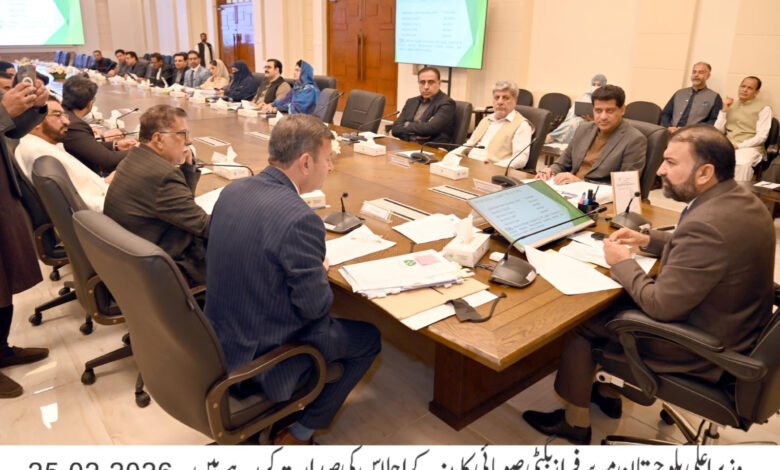
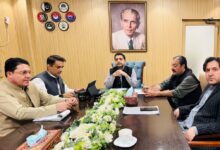
Quetta: The Balochistan cabinet, chaired by Chief Minister Mir Sarfraz Bugti, has approved a series of significant and far-reaching decisions covering law and order, economic stability, agricultural reforms, institutional restructuring, and public welfare.
Briefing the media after the two-day 23rd cabinet meeting, government spokesperson Shahid Rind said the cabinet strongly condemned the recent terrorist incidents that occurred in Balochistan on January 31, paid tribute to the martyrs, and expressed solidarity with the affected families. The cabinet reaffirmed its resolve, along with security forces, to eliminate terrorism and appreciated the timely and effective response of security agencies.
Climate-Smart Agriculture Initiative
To strengthen the agricultural sector, the cabinet approved the project titled “Water Conservation and Productivity Enhancement in Balochistan through Climate Smart Agriculture,” which will be launched with financial support from the Korean Exim Bank. The initiative aims to promote efficient water use, modern farming techniques, and measures to mitigate the effects of climate change, with expectations of increased agricultural output and improved farmer incomes.
Land Lease Policy 2026 Approved
The cabinet also approved the Balochistan Land Lease Policy 2026 to ensure transparent and fair use of land for industrial and commercial purposes. The policy is expected to boost investment, generate employment opportunities, and stimulate economic growth.
Wheat Procurement for Food Security
To ensure food security, the cabinet approved the Interim National Wheat Policy 2025–26 for strategic reserves. Under this decision, the provincial Food Department will procure 0.50 million metric tons (500,000 metric tons) of wheat to maintain continuous availability and respond effectively to emergencies.
Chief Minister Mir Sarfraz Bugti took strict notice of reports of irregularities in government wheat stocks and constituted a parliamentary sub-committee to investigate and submit a report. He warned that strict and impartial action would be taken against anyone found responsible.
A separate committee, headed by the Chairman CMIT, has been formed to determine pricing for the sale of old wheat stock in government warehouses based on market rates and grain condition. Orders were also issued for the arrest and immediate dismissal of officials previously accused of corruption in the Food Department.
Institutional Reforms and Legislation
The cabinet approved the release of funds for the payment of salaries to employees of the Balochistan Development Authority and decided to undertake comprehensive restructuring of BDA and other autonomous bodies to improve financial discipline, reduce the burden on the provincial treasury, and gradually make institutions self-sustaining.
Additionally, the cabinet approved the Balochistan Public-Private Partnership Act 2025 and the Balochistan Levies Force (Amendment) Bill 2025. The Public-Private Partnership Act aims to enhance private sector participation in development projects, improve transparency, and accelerate project completion.
Under the Levies Force amendment, employees over the age of 50 seeking voluntary retirement from federal levies will be facilitated according to rules. Personnel unable to continue service in the police will also be eligible for voluntary retirement.
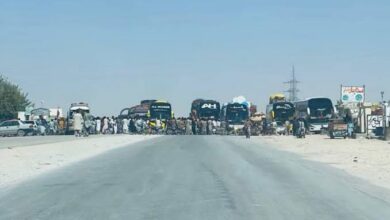
During the meeting, the Inspector General of Police briefed the cabinet on the law and order situation along the Sibi, Nasirabad, and Kachhi national highways. The cabinet directed the IG Police to ensure effective and sustainable security arrangements and submit a comprehensive report within seven days.
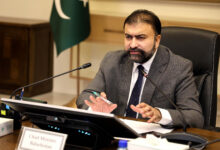
Chief Minister Mir Sarfraz Bugti reiterated the government’s commitment to maintaining peace, achieving economic stability, promoting agricultural development, ensuring food security, and implementing institutional reforms in the broader public interest.