Mounting Debt and Tax Burden Push Pakistan’s Economy Under Severe Strain
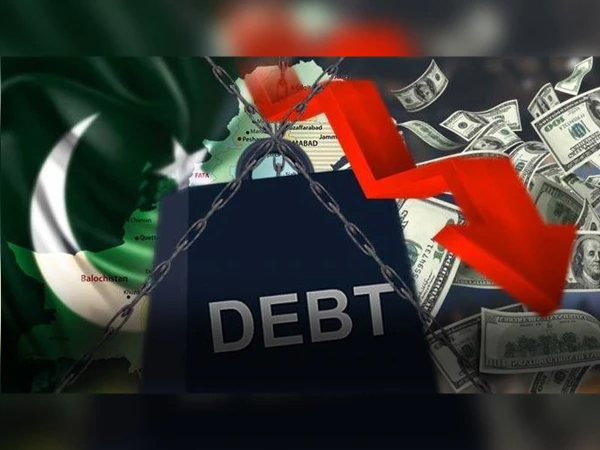
Islamabad: Pakistan’s economy is once again facing intense pressure as rising debt levels and an increasing tax burden continue to slow down economic activity across the country.
Economic experts warn that persistent fiscal mismanagement has repeatedly forced Pakistan to seek assistance from international financial institutions, particularly the International Monetary Fund (IMF). While such programs provide temporary relief, analysts argue that the country’s structural problems remain unresolved.

According to recent data, Pakistan’s total public debt has reached nearly 70 percent of its GDP in 2025, while the fiscal deficit stands at a high level of around 6 percent. Alarmingly, the deficit is almost entirely driven by interest payments on existing loans.
The situation has worsened to the point where net interest payments have surpassed the government’s total tax revenue, raising fears among experts of a potential fiscal crisis if corrective measures are not taken promptly.
Economic analysts note that the government has only two primary sources to increase revenue: taxation and borrowing. However, Pakistan has struggled to improve tax collection, while borrowing has surged significantly, pushing the country deeper into a debt trap.
External debt repayments have now exceeded new external financing inflows, a development experts describe as highly concerning. Over the past two budgets, increased taxation has dampened business activity. Industries are shutting down, foreign direct investment is declining, and skilled professionals are increasingly migrating abroad in search of better opportunities.
Experts emphasize that tax policy should encourage work and investment rather than stifle them. Proposed reforms include introducing a simplified and lower-rate tax system, broadening the tax base, eliminating unnecessary exemptions, promoting free trade, reducing government expenditures, ensuring stable monetary policy, and accelerating privatization.
Analysts also point out that state-owned enterprises have become a heavy burden on the national exchequer and should be transferred to the private sector through a transparent process.
Economists conclude that sustainable and rapid economic growth remains the only long-term solution. They stress that locally designed structural reforms are essential, arguing that reliance on external support must be replaced with comprehensive internal reforms to steer the country toward lasting economic recovery.