2025: A Partially Successful Year for Balochistan Government – 3,200 Schools Reopened, Pink Bus Service Launched, But Agriculture and Health Sectors Lag

Quetta (Daily Qudrat): As 2025 comes to a close, the Balochistan government can reflect on a year of partial successes, notable achievements, and persistent challenges across key sectors. The administration made strides in education, transport, urban development, employment, agriculture, and welfare projects, positively impacting the province’s social and economic landscape, though some sectors lagged behind.
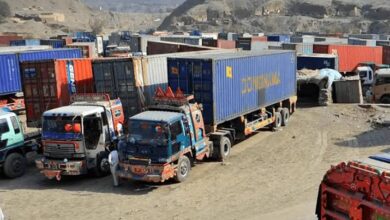
In transport, the government expanded the Green Bus project in Quetta by adding 12 new buses, and launched a special Pink Bus service to ensure safe travel for women, which received widespread public appreciation. Under the Quetta Development Plan, major roads were widened, illegal parking was removed, traffic flow improved, and the city’s overall appearance enhanced. Security agencies also conducted effective anti-smuggling operations, curbing illegal trade.

The education sector saw significant progress with an allocation of PKR 32 billion, used to improve schools, pay teachers, and provide scholarships to over 1 million students. During the year, 3,200 closed schools were reopened, over 2,000 absentee teachers were dismissed, and scholarships under the Benazir Scholarship Program were offered, including placements at top institutions like Oxford. Additionally, 400 students from the labor class, minority communities, and transgender individuals received educational grants. Initiatives like the “Book Vehicle” and Early Warning System were launched to reduce dropout rates and promote education in remote areas.
Youth development also progressed with the revival of the Flying Club and the establishment of Youth Resource Centers to provide professional guidance and skills training.
However, some sectors experienced delays. The supply of promised tractors and agricultural machinery to farmers has not yet begun, despite ongoing efforts to transition farms and orchards to solar power. The communications sector, allocated PKR 50 billion, saw minimal implementation. In health, plans to operate 10 government hospitals under public-private partnerships remain unrealized, and shortages of medicines and basic medical facilities persist.
On the welfare front, the government increased funds for the Benazir Income Support Program by 27% and continued support for needy families under the Kafalat Program. The National Climate Change Strategy was completed, and a housing scheme for journalists was launched in Quetta, with flats expected to be delivered next year.
Overall, 2025 can be considered a partially successful year for the Balochistan government. Transport reforms, the Quetta Development Plan, school reopenings, Pink Bus services, and anti-smuggling efforts highlighted positive achievements, while delays in health, communications, and agriculture sectors underscored the need for stronger administrative focus. With sustained effort on lagging sectors, the province’s development trajectory is expected to accelerate in the coming years.