Heavy Rainfall Expected Across Pakistan from July 13, Flooding Risks in Rivers
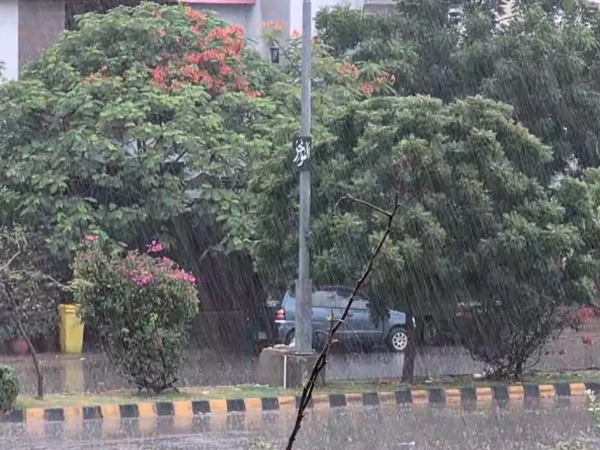
Islamabad: The National Disaster Management Authority (NDMA) has issued an alert for the monsoon system from July 13 to 17, warning of heavy rainfall and potential flooding in several regions of Pakistan.
The newly developing monsoon system is expected to bring moderate to heavy rainfall across various parts of the country. The intensity of the system may increase due to moisture from the Arabian Sea.
The western wave is expected to cause an increase in water flow in all major rivers, especially the Indus, Kabul, Jhelum (upstream of Mangla), and Chenab. Currently, the Tarbela, Taunsa, and Guddu Barrages are at lower flood levels, while the Kalabagh and Chashma Barrages are experiencing medium-level flooding. The flooding level in Taunsa is also expected to rise to moderate levels.
During the coming week, low to medium-level flows are expected at various stations along the Indus River. Low-level flooding is anticipated at the Marala and Khanki locations on the Chenab River. Similarly, low-level flooding is also predicted at the Nowshera station on the Kabul River.
Rivers and streams connected to the Swat and Panjkora Rivers are likely to experience swelling due to rainfall. In Balochistan, districts such as Jhal Magsi, Kachi, Sibi, Quetta, Zhob, and Musa Khel, as well as northeastern districts, are expected to see swift water flow in their streams. Flooding at a local level is expected in southern Balochistan, including districts like Khuzdar, Awaran, Lasbela, and Kalat.
Currently, Tarbela Dam is at 74% of its water storage capacity, while Mangla Dam is at 44%.
NDMA has advised residents living near rivers, streams, and nullahs to remain vigilant for sudden increases in water levels. Communities, especially in flood-prone areas, should identify safe evacuation routes, particularly during heavy rainfall and nighttime floods. Household items, vehicles, and livestock should be moved to higher ground, and emergency kits, including food, water, and medicines for 3 to 5 days, should be prepared. District administrations, especially in northeastern and central Punjab, should prepare dewatering equipment to manage accumulated water from heavy rainfall.
The public is urged to stay updated through television, radio, mobile alerts, and the official NDMA Disaster Alert mobile application. Citizens are reminded to avoid crossing causeways, low-lying bridges, and flooded roads.
NDMA is in constant communication with relevant authorities to monitor the situation and ensure the timely delivery of alerts.