Severe Water Shortage in Quetta Valley: Water Treatment Plant Suffers from Neglect and Lack of Awareness
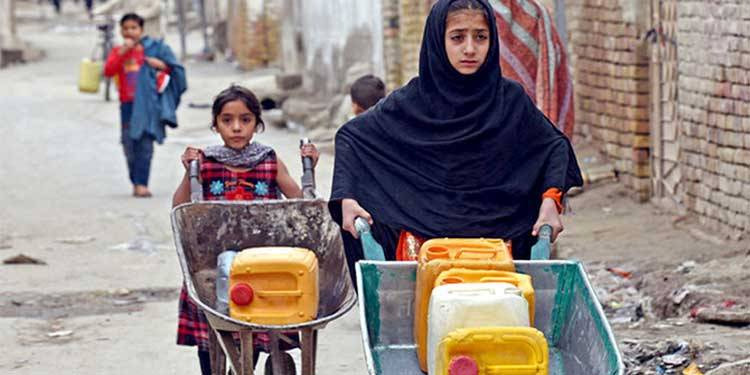
Quetta: As summer sets in, the residents of Quetta Valley are facing an acute water shortage. In urban areas, the Water and Sanitation Authority (WASA) supplies clean water only once every two days for about one to one-and-a-half hours. In contrast, suburban areas have no WASA connections at all, forcing residents to rely on expensive private water tankers.
To address this crisis, a water treatment plant was installed in the city. However, due to years of government negligence, lack of resources, and public unawareness, the project has largely failed to serve its intended purpose and has turned into a symbol of wasted resources. Completed in 2007, the plant was designed to filter wastewater for use in construction and horticulture, with a daily processing capacity of 5,000 gallons.
Unfortunately, over the past 15 years, the plant has operated intermittently due to inconsistent funding and institutional neglect. Although it has been functional for the past two years, it still struggles with limited resources and attention from authorities.
In addition to this facility, two more treatment plants were planned. One is operational in the cantonment area, while the second, located at the University of Balochistan, remains incomplete. Authorities remain hopeful about its completion.
Currently, the functioning plant processes wastewater through several stages before storing it in a central tank. From there, water is distributed under the Quetta Project for use in plant irrigation. However, the general public remains unaware of this initiative.
With Balochistan already suffering from a severe drinking water shortage, experts stress the urgent need to make the treatment plant fully operational on a permanent basis. Public awareness is also crucial so that this treated water is not mistakenly used for domestic consumption, allowing more clean water to be conserved for drinking purposes.