Iran Earns $7.5 Billion from Oil Exports in First Four Months of Iranian Year
Iran earned approximately $7.5 billion from crude oil exports during the first four months of the current Iranian calendar year, nearly one and a half times the revenue recorded during the same period last year.
According to Iran’s semi-official Fars News Agency, citing Oil Ministry data, oil revenues increased significantly from late March through July, driven by higher global crude prices and changes in export volumes.
The record oil revenue comes as Iran faces severe economic pressure from US sanctions, financial restrictions and the ongoing conflict. The figures underscore the continued importance of oil exports as Iran’s primary source of foreign currency.
China remains Iran’s most important oil customer. Trade and shipping data indicate that Chinese private refineries have remained major buyers of Iranian crude, while US sanctions have forced Tehran to rely on alternative financial and shipping networks to facilitate exports.
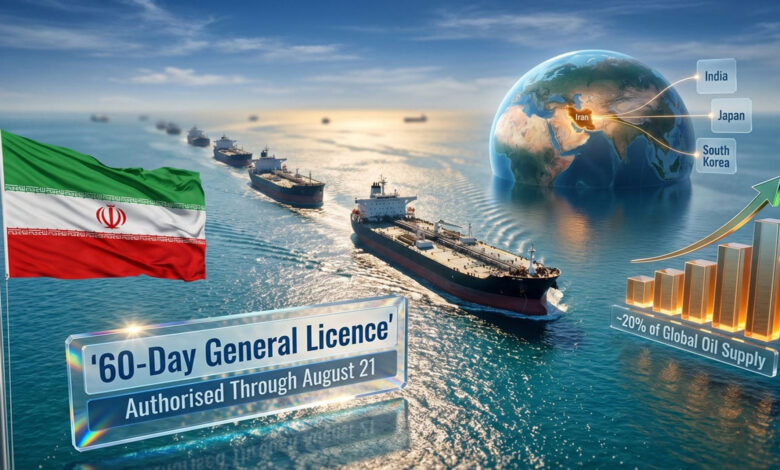
The United States also temporarily authorized certain activities related to the production, sale and transportation of Iranian oil in June. According to the US Treasury Department, the authorization was valid until August 21 and was intended to temporarily facilitate energy trade under an understanding reached between Iran and the United States.
Following the temporary easing, Iranian oil exports reportedly increased. Between mid-June and mid-July, Iran exported around 70 million barrels of crude oil, worth an estimated $5 billion to $6 billion at prevailing global prices.
Iran has continued selling crude to China for years despite US sanctions restricting its oil exports. To circumvent sanctions, Tehran has also relied on unconventional shipping and financial networks, including intermediaries and so-called shadow fleets, which have played an important role in maintaining the oil trade.
However, the recent increase in oil revenues may not be sustainable. US pressure and continuing tensions in the Strait of Hormuz have severely disrupted Iran’s ability to transport crude.
According to the Financial Times, tanker traffic at Iran’s main oil export terminal on Kharg Island had almost come to a halt by early August, while there had been no clear evidence of oil being loaded there since late July.
The developments indicate that despite strong oil revenues during the first four months of the Iranian year, Iran’s future oil exports face significant risks.
Any disruption to Iranian oil exports could also have wider implications for global energy markets. A substantial share of global energy supplies passes through the Strait of Hormuz, where heightened tensions have already slowed maritime traffic.
On August 19, global oil prices rose by around 1% amid escalating tensions in the Middle East, approaching their highest levels in three weeks.