Pakistan’s Flag Is a Symbol of National Unity, Says Balochistan Interior Minister Zia Langau
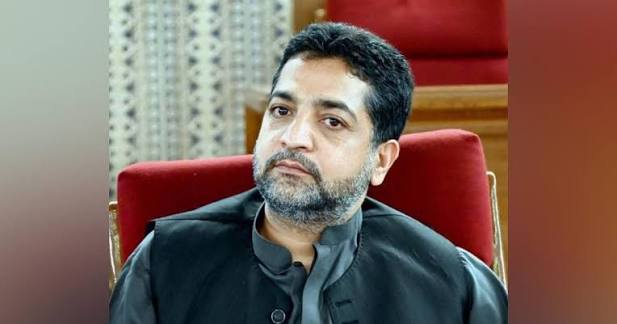
QUETTA (Qudrat Daily): Balochistan Interior Minister Mir Zia Langau has said that Pakistan’s flag is a symbol of national unity and strongly criticized what he described as contradictory political positions regarding national symbols, saying that the country and homeland of Pakistanis are one.
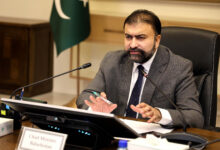
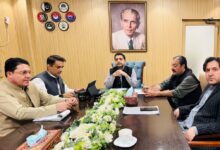
Speaking in a detailed podcast interview, Zia Langau said August 14 was Pakistan’s Independence Day and that freedom was a great blessing from Allah. He said he had wanted to travel to Kalat to celebrate Independence Day with local residents and raise the national flag.
The minister said terrorists had attempted to create fear in the historic city of Kalat on Independence Day and prevent the national flag from being raised, but their objectives were foiled by the determination of the state and the people.
He said the Pakistani flag was dearer to him than his life, adding that even if an enemy came with an atomic bomb to prevent the national flag from being raised, he would stand in its way.
Attack on Police Convoy
Zia Langau also gave details of an attack on his convoy while returning from Kalat. He said he was travelling by road because the official helicopter was unavailable due to the Chief Minister’s engagements and because of limited time following his return from Gwadar.
According to the minister, he left Kalat in the vehicle of the Kalat SP after attending the Independence Day event. Near a mountainous area, militants allegedly came down from the mountains, hid in nearby orchards and opened fire on the police convoy, followed by an explosion.
He said several police vehicles were part of the convoy and two vehicles following behind were affected by the firing and explosion, leaving police personnel injured. Security forces immediately responded and forced the attackers to flee.
The injured personnel were shifted to hospital for treatment and later transferred to Quetta for further medical care.
Call for Stronger Measures Against Terrorism
Zia Langau said Balochistan was facing a wave of terrorism that had claimed the lives of innocent civilians and security personnel. He alleged that there was evidence of external support for militant groups, while stressing that the state would continue fulfilling its responsibility to protect citizens and restore peace.
He said terrorists often hide in mountainous areas and use civilian populations as human shields, making large-scale operations more difficult. He added that the government would seek to minimize harm to civilians while taking stronger security measures wherever necessary.
The minister rejected the portrayal of terrorism in Balochistan as a freedom struggle, alleging that armed commanders were misleading young people and using them against the state and their own communities.
Development and Opportunities for Youth
Zia Langau said Balochistan’s mineral resources, Gwadar and trade routes were vital for the province’s and Pakistan’s economic development. He alleged that terrorism was being used to disrupt development projects, trade, transportation and economic activity.
He said the provincial government was working to provide young people with employment, education, scholarships and skills so they could pursue a better future.
The minister said the government had created new employment opportunities in various departments and was taking measures to ensure merit-based recruitment. He added that a major scholarship package had also been introduced for Balochistan students seeking higher education.
Government Open to Dialogue
Zia Langau said the government was ready to discuss Balochistan’s political, economic and constitutional rights through dialogue. He said grievances between the province and the federal government could be resolved through negotiations and constitutional and political mechanisms.
He said the government was prepared to engage with young people, political workers and other groups advocating for the rights, justice and development of Balochistan.
However, he maintained that those who sought to achieve their demands through violence and targeted civilians would face a different situation.
Commenting on various political leaders, including Sardar Akhtar Jan Mengal, Dr Abdul Malik Baloch and Mahmood Khan Achakzai, the minister said political disagreements should be addressed through political and parliamentary forums rather than being linked with terrorism.
Pakistan’s National Interest Must Come First
Zia Langau criticized some statements attributed to Mahmood Khan Achakzai and said every Pakistani political leader was expected to place Pakistan’s interests first.
He said Afghanistan was a brotherly country and that the two nations shared historical, religious, tribal and cultural ties, but every person had one country and homeland, and Pakistan’s interests should remain the priority in matters concerning Pakistan.
He also alleged that militant groups had harassed farmers, workers, businessmen and transporters in various parts of Balochistan and that complaints of extortion and threats had emerged in some areas.
The minister said the people of Kalat, Khaliqabad and other areas had witnessed the impact of terrorism on everyday life. He said the government was also working to improve healthcare facilities for women and children and provide ambulance services in remote areas.
Future of Balochistan Lies in Education and Development
Zia Langau said the people were increasingly understanding the impact of terrorism and that once citizens stood firmly with the state, it would become more difficult for militants to achieve their objectives.
He stressed that the future of Balochistan should be decided through education, development, political engagement, negotiations and the people’s mandate rather than through armed violence.
The minister said the government wanted to provide the people of Balochistan with peace, employment, education and development, adding that public trust was the state’s most important weapon in the fight against terrorism.
He concluded that the province’s problems could be resolved through dialogue, the Constitution, Parliament, development and public participation, while the state would continue taking action against elements targeting innocent civilians.