Poverty and Unemployment Drive 2.4 Million People into Risky Iranian Fuel Smuggling in Balochistan
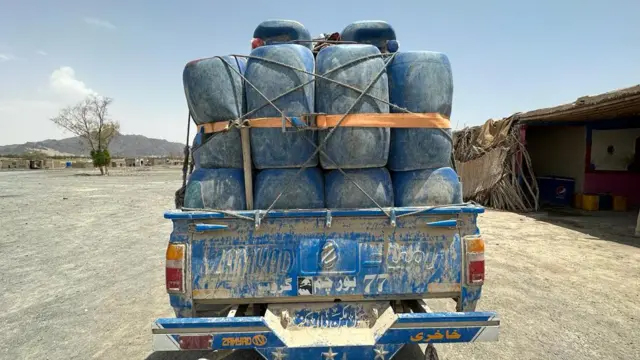
QUETTA: Severe poverty, unemployment, and a lack of economic opportunities in Balochistan have pushed millions of people, including educated young graduates, into the dangerous business of smuggling Iranian fuel, according to recent reports.
A report by Japanese news platform Nikkei Asia claims that approximately 2.4 million people in Balochistan are involved in the illegal fuel trade between Iran and Pakistan. The individuals engaged in this activity include degree holders, university graduates, and young people with bachelor’s and master’s degrees who have been unable to secure government jobs or stable employment in the province.


According to a report by BBC Urdu, fuel smugglers transport up to 272 kilograms of fuel in plastic containers loaded onto motorcycles, undertaking a hazardous 218-mile journey from open markets in Mastung to destinations in Sindh. The route passes through some of Balochistan’s hottest regions, where temperatures can exceed 50 degrees Celsius, creating a constant risk of fuel leaks, container explosions, and deadly fires.
The report further states that demand for cheaper Iranian fuel has increased following disruptions in oil transportation through the Strait of Hormuz amid tensions involving Iran, the United States, and Israel. Rising global oil prices have also contributed to the growing appeal of smuggled fuel in Pakistan.
According to a leaked intelligence assessment, fuel worth nearly $1 billion is smuggled from Iran into Pakistan every year. The country’s oil refineries and the Oil Companies Advisory Council have reportedly warned the government that illegal fuel imports have reduced legal petroleum sales to their lowest level in 27 years.
Meanwhile, on the directives of Prime Minister Shehbaz Sharif, law enforcement agencies have intensified anti-smuggling operations. Security forces reportedly seized fuel worth approximately Rs2.3 billion over the past year as part of efforts to curb the illegal trade.
However, former Quetta Chamber of Commerce and Industry president Fida Hussain Dashti argued that the smuggling economy has become a necessity for many families due to the absence of alternative employment opportunities. He noted that despite covering 44 percent of Pakistan’s land area, Balochistan continues to face poverty levels comparable to some of the world’s poorest regions.
Dashti emphasized that the long-term solution lies in creating sustainable employment opportunities and economic development programs for the province’s residents, rather than relying solely on enforcement measures against smuggling.