Artificial Sweeteners May Contribute to Liver Disease, Study Finds
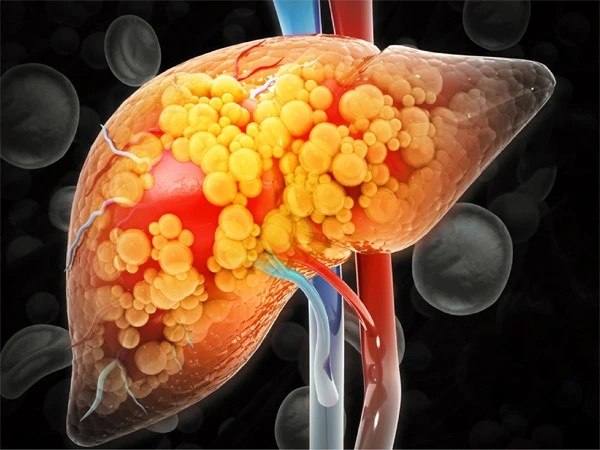
Islamabad (News Desk) — A new study has found that sorbitol, a widely used low-calorie sweetener, may increase the risk of metabolic dysfunction-associated steatotic liver disease (MASLD), also known as fatty liver disease, under certain conditions.
The research challenges the long-held belief that sugar alcohols are completely harmless and pass through the body without significant metabolic effects.


Sorbitol is commonly used in sugar-free candies, chewing gums, protein bars, and other low-sugar products. It also occurs naturally in certain fruits and vegetables, particularly stone fruits such as peaches, apricots, and plums.
MASLD, formerly known as non-alcoholic fatty liver disease (NAFLD), is a common liver condition linked to obesity, diabetes, and other metabolic disorders. Previous studies have already established fructose as a major contributor to fatty liver development, a condition that affects nearly 30% of adults worldwide.
Researchers at Washington University in St. Louis discovered that when beneficial gut bacteria responsible for breaking down sorbitol are absent or impaired, sorbitol can be converted into fructose in the liver.
In other words, sorbitol—often considered a safer alternative to sugar—may, under specific biological conditions, transform inside the body into compounds that increase the risk of fatty liver disease.
The findings were published in the scientific journal Science Signaling.