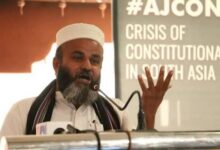
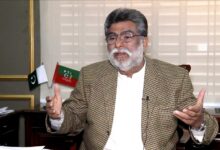
Law and Order Claims in Balochistan “Proven False,” Says Maulana Abdul Wasay
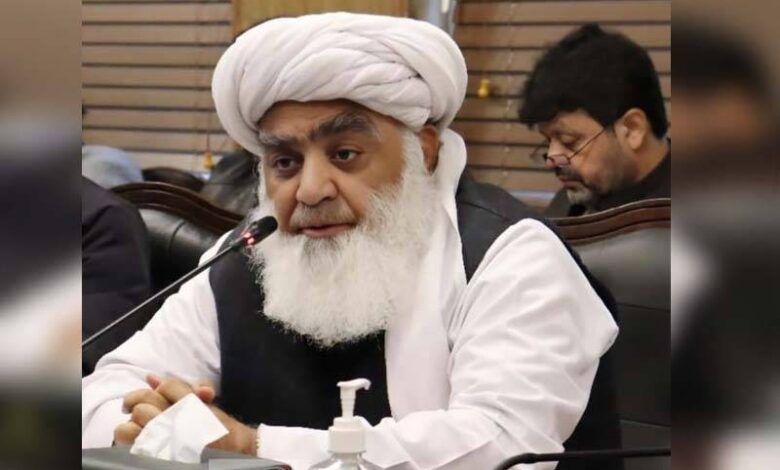
Quetta: Maulana Abdul Wasay, along with several political and religious leaders, has said that claims of improved law and order in Balochistan are misleading, adding that perpetrators of attacks on religious scholars are still roaming free.
Addressing a press statement in Quetta, Maulana Abdul Wasay, along with assembly members Asghar Ali Tareen and Mir Zabid Reki, and former provincial minister Haji Muhammad Nawaz Khan Kakar, said that the protection of scholars and civilians has not been ensured in the province.
They alleged that despite Pakistan being established in the name of Islam, numerous religious scholars have been martyred over the years, while the perpetrators have not been brought to justice.
The leaders said that the country has effectively become a “graveyard for scholars,” while government responses remain limited to statements of condemnation.
They criticized the authorities for failing to identify what they called the “masterminds” behind the killings of religious figures and questioned the effectiveness of multiple security institutions despite significant budget allocations for law and order.
They demanded independent and transparent investigations into the killings of religious scholars and immediate arrest of those responsible.
The leaders further alleged that political and religious leadership is being systematically targeted under a broader conspiracy and questioned who is accountable for such incidents.
They warned that continued inaction could lead to public unrest and said that if grievances are not addressed, they would launch protests across the province.
Maulana Abdul Wasay also defended religious seminaries, saying that attempts to undermine or control them are part of external influence and rejected what he called unjust restrictions on their registration and operations.
He said that religious institutions have already complied with legal requirements in previous registrations and accused successive governments of creating unnecessary hurdles for seminaries.
He further claimed that while non-governmental organizations operate freely, religious seminaries are unfairly scrutinized.
The leaders reaffirmed that religious schools will not allow any interference in their autonomy and warned that any attempt to control them would face strong resistance.
They concluded that religious seminaries continue to play a key role in education and social welfare and should not be blamed for governance failures or security challenges in the country.