Pakistan Plans Major Shift to Targeted Electricity Subsidy System Under IMF Commitment
Pakistan has given written assurances to the International Monetary Fund regarding major reforms in its electricity subsidy system, including the introduction of a targeted subsidy mechanism by January 2027.
According to official sources, the current blanket subsidy for households consuming up to 200 units of electricity will be phased out. Instead, a new system will be introduced within eight months that will provide subsidies only to eligible low-income consumers.

Under the proposed framework, subsidies will be distributed using data from the Benazir Income Support Programme, ensuring that only deserving households benefit and reducing misuse of the system.
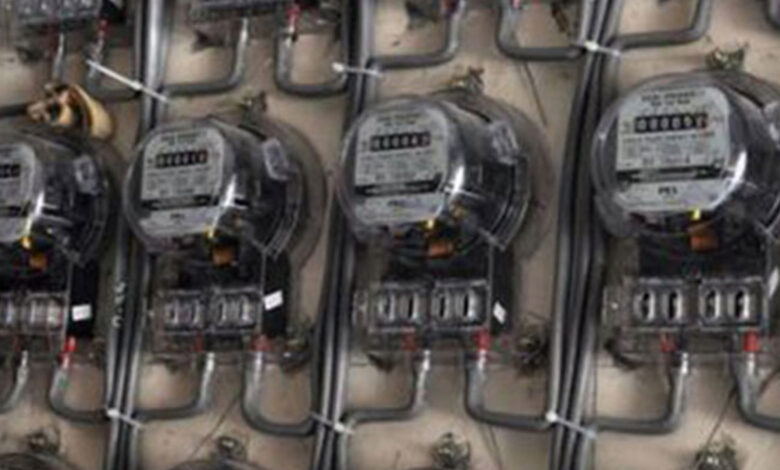
Officials said the government has observed that some consumers install multiple electricity meters to keep individual usage below 200 units in order to benefit from subsidies. The new targeted approach aims to discourage such practices.
The reform plan includes linking electricity consumers with the National Socio-Economic Registry (NSER), with support from the World Bank, to ensure accurate identification of eligible households. A third-party firm is also expected to help design and implement the subsidy distribution mechanism.
In parallel, the government is expanding its “e-Abiana” system—an electronic irrigation water billing mechanism—beyond Punjab to other provinces, including Sindh, Khyber Pakhtunkhwa, and Balochistan, as part of broader water sector reforms.
Officials also said Pakistan is close to receiving a $200 million tranche under the IMF’s Resilience and Sustainability Facility. The IMF Executive Board is scheduled to meet in Washington on May 8, 2026, to approve the release.