Punjab Faces Unusual Temperature Rise, Heatwave Risks Increase This Summer
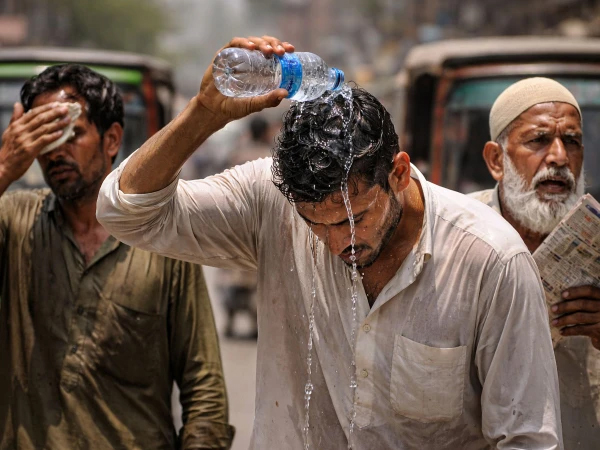
Lahore: Punjab is expected to experience an unusual rise in temperatures during the current summer season, with growing concerns over potential heatwaves across the province, according to the Pakistan Meteorological Department and international climate reports.
The seasonal outlook indicates that temperatures from March to May 2026 are likely to remain above normal. In several مناطق, particularly South Punjab, temperatures could rise 4 to 6 degrees Celsius above average, with occasional spikes leading to heatwave conditions.

Data suggests that April temperatures may remain 1 to 2 degrees above normal, increasing further to 2 to 3 degrees in May. By June, extreme heat could push temperatures up to 45–46°C in some areas.
Experts warn that major urban centers like Lahore will feel the heat more intensely due to the urban heat island effect. Environmental expert Dr. Zulfiqar Ali explained that concrete structures, traffic, and air pollution contribute to higher temperatures in cities compared to rural areas. In Lahore, temperatures during May could range between 42°C and 45°C.
According to the meteorological department’s heatwave alert system, temperatures of 42°C or above are classified as a heatwave, especially if they persist over several days.
Officials, including Director of Meteorology Lahore Aleem-ul-Hassan and Director General Sahibzada Khan, have warned that temperatures may reach up to 44°C or higher in June and July, further intensifying the heat.
Experts attribute the rising temperatures to climate change, reduced rainfall, high-pressure atmospheric systems, deforestation, and shrinking green spaces in urban areas. The شدت and duration of heatwaves in Punjab are also increasing over time.
Southern Punjab may experience hot and dry winds, which could also impact the agricultural sector, raising concerns about crop yields.
Authorities have advised citizens to take precautionary measures, including avoiding unnecessary outdoor activities during peak heat hours, staying hydrated, wearing light clothing, and covering their heads.
The Environment Protection Department has recommended promoting tree plantation, strengthening heatwave alert systems, ensuring hospital preparedness for heatstroke cases, and maintaining water supply.
Experts caution that without timely action, heatwaves in Punjab could become even more severe in the coming years, affecting public health, water availability, and energy demand.