Average Monthly Income of Pakistanis Rises 97% to Rs82,000, Government Survey Reveals
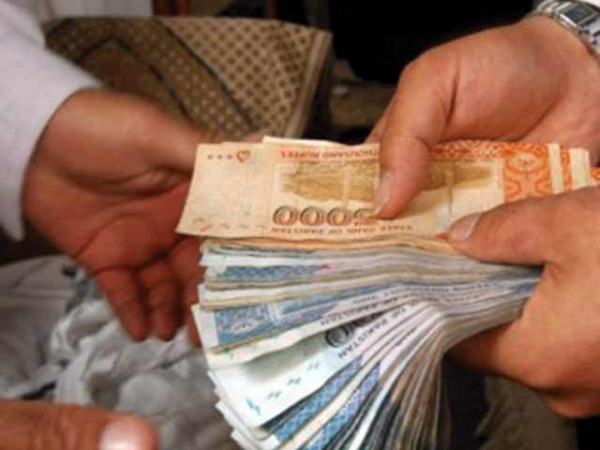
Islamabad: The average monthly income of Pakistani households has increased by 97 percent over the past five years, reaching Rs82,000, according to the government’s latest Household Integrated Economic Survey (HIES).
Data released by the Pakistan Bureau of Statistics shows that from 2019 to 2025, household expenditures rose by 113 percent, with average monthly spending now standing at Rs79,000. The survey highlights significant changes in income, consumption patterns, and living conditions across the country.

According to the report, the highest growth in household spending was recorded on furnishings, household appliances, health, food, and other goods and services. Due to population growth, a slight decline was observed in home ownership. While 84 percent of households owned their homes in 2018–19, the figure has dropped to 82 percent in the latest survey. Meanwhile, the proportion of people living in rented homes increased from 10 percent to 10.5 percent.
The survey also recorded an increase in the use of clean fuels nationwide. Over five years, clean fuel usage rose from 35 percent to 38 percent, with greater reliance on natural gas, LPG, biogas, and solar energy for lighting and cooking.
Access to water sources has improved, with the proportion of households using hand pumps declining from 24 percent to 22 percent, while those using tap water increased from 18 percent to 22 percent. The use of filtered water also rose from 9 percent to 10 percent. However, the survey noted that 7 percent of the population still lacks access to basic sanitation facilities such as toilets.
On the digital front, TikTok emerged as the leading platform for income generation, with 88 percent of digital platform users earning through TikTok, while 86 percent were engaged in vlogging on YouTube. Household internet access increased significantly from 34 percent to 70 percent, and the proportion of internet users rose from 17 percent to 57 percent.
The survey further showed improvements in social indicators. Full immunization coverage, based on records, increased from 68 percent to 73 percent. The national literacy rate rose from 60 percent to 63 percent, while the proportion of out-of-school children declined from 30 percent to 28 percent.
The HIES provides a comprehensive overview of Pakistan’s socio-economic conditions and plays a key role in evidence-based planning and policymaking. Conducted regularly since 1963, the survey also supports monitoring progress toward the Sustainable Development Goals (SDGs), covering 31 of the 62 indicators reported by the Pakistan Bureau of Statistics.
Following the 2023 census, the HIES 2024–25 was conducted fully through digital means for the first time. Field activities were completed in June 2025 on a quarterly basis, covering 32,000 households nationwide. Data collection and real-time monitoring were carried out using a fully integrated Enterprise Resource Planning (ERP) system.