Bilateral Tensions: Bilawal Bhutto Warns of Real Threat Despite Ceasefire, Highlights Nuclear Risk in Pak-India Conflict
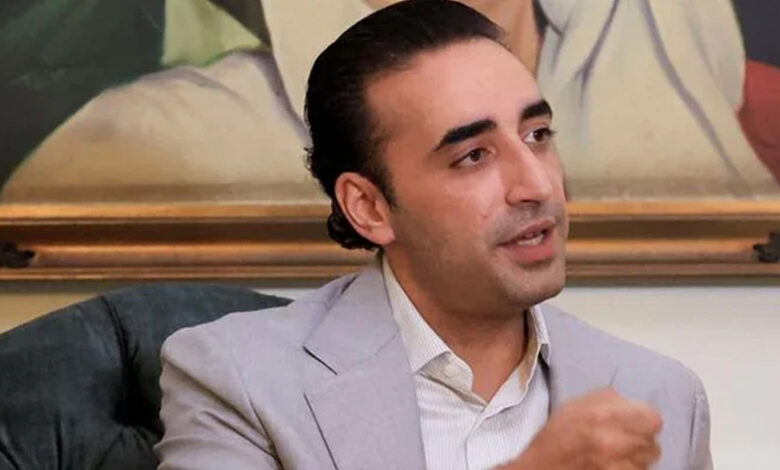
Islamabad:Pakistan People’s Party Chairman Bilawal Bhutto Zardari has expressed grave concerns over the recent Pakistan-India tensions, revealing that during the crisis, Pakistan had mere seconds to decide whether the missile fired from India was nuclear or not. In an interview with a British newspaper, Bilawal discussed the precarious situation during the standoff and the delicate decision-making process that took place at the highest levels.
Reflecting on the situation, Bilawal mentioned that despite the Pakistani military’s confidence in securing victory, Pakistan agreed to a ceasefire because the United States had committed to supporting neutral discussions between the two nations over all disputes. However, he expressed disappointment that this process has not materialized, stressing that the global community should not view the ceasefire as the end of the crisis, as significant risks still remain.


**Escalating Tensions in South Asia**
Bilawal Bhutto warned that South Asia is dangerously close to conflict. He explained that Pakistan had agreed to the ceasefire on the understanding that the U.S. would facilitate a broader diplomatic process to resolve long-standing issues between the two countries. The lack of movement on this front, he emphasized, continues to pose a serious risk of escalation.
Addressing the issue of the Pulwama attack in India, Bilawal reiterated that Pakistan had no involvement in the incident. He criticized India for failing to provide credible evidence linking Pakistan to the attack or for presenting names or identities of those allegedly involved, nor any proof of cross-border interference.
**Nuclear Dilemma and Regional Instability**
Bilawal pointed out the alarming reality that, during the escalation, Pakistan had only seconds to determine whether the missile fired by India was nuclear. He noted that by the final day of the crisis, India had deployed nuclear warheads, significantly raising the stakes in an already volatile situation.
He further highlighted that, while a ceasefire had been agreed upon, peace had not been achieved, which is deeply concerning. He stressed that the likelihood of traditional warfare between the two countries had decreased, but the risks of a miscalculation or escalation remain high.
**West’s Role in Regional Stability**
In his remarks, Bilawal also criticized the West for not fulfilling its responsibilities in the region, particularly in Afghanistan. He noted that while the international community had withdrawn from Afghanistan, Pakistan continues to fight terrorism and deal with the consequences of the ongoing conflict in the country.
Bilawal’s comments underscore the ongoing vulnerabilities in South Asia, where regional stability remains fragile and the threat of conflict looms despite diplomatic efforts.