Half of Pakistan Living Below Poverty Line, Economic Indicators Questioned: Mustafa Nawaz Khokhar
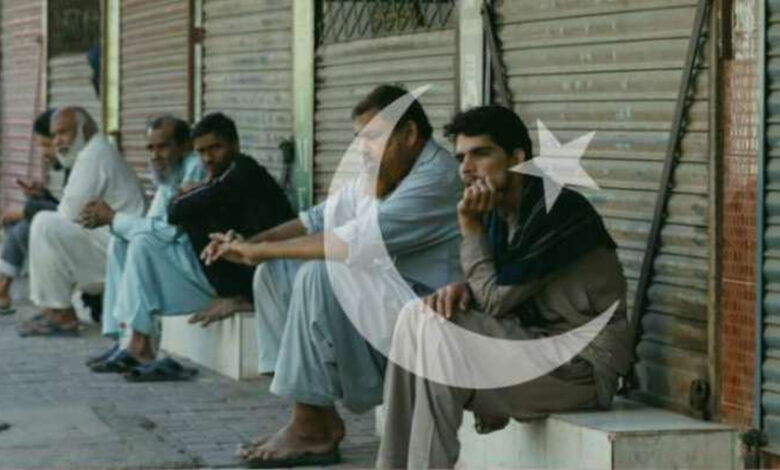
Lahore:Senior politician Mustafa Nawaz Khokhar has raised serious concerns over Pakistan’s economic condition, stating that half of the country’s population is currently living below the poverty line. He questioned the government’s repeated claims of economic improvement, pointing out that 2.5 million young people are entering the job market every year without employment opportunities.
Khokhar challenged the government to clarify whether economic indicators have genuinely improved for the public, stressing that growth statistics and ground realities are in stark contrast.

In a related development, Khyber Pakhtunkhwa’s Finance and Inter-Provincial Affairs Advisor, Muzzammil Aslam, expressed alarm over falling wheat prices and their negative impact on farmers. He stated that a Rs. 100 per 40kg decrease in wheat price has caused a collective loss of Rs. 75 billion to farmers nationwide, with Punjab’s farmers alone losing Rs. 50 billion. Based on current pricing, he claimed farmers are incurring losses of Rs. 1200 per 40kg, amounting to Rs. 600 billion in Punjab and Rs. 300 billion in other provinces—roughly $3.2 billion.
Aslam warned that if this trend continues, Pakistan will be forced to import wheat in the future, diverting critical foreign exchange to overseas suppliers. He further revealed that the country’s GDP growth this year is projected to remain between 2.5% and 3%, well below the 4% target. Additionally, industrial production has declined by 1.9% over the past eight months and by 5.9% in March alone.
He criticized the government’s decision to increase petroleum levy from Rs. 30 to Rs. 70 and hinted at further hikes in gas prices and new fertilizer taxes in the upcoming budget. Aslam concluded by stating that Pakistan’s agriculture sector is in one of its worst phases, despite the absence of any major natural disasters, and accused the government of neglecting farmers’ rights.
These statements highlight growing dissatisfaction with the government’s economic management and signal the need for urgent policy intervention to address rising poverty and economic instability.