Bazei Tribe Seeks Chief Justice’s Intervention Over Alleged Illegal Land Allotments and Housing Scheme Dealings in Quetta
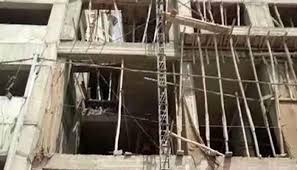
QUETTA: Elders of the Bazei tribe have called for judicial and institutional intervention over alleged illegal allotment of tribal lands and the purported sale and purchase of plots in housing schemes in the Aghberg and surrounding areas of Quetta.
Bazei tribal elders Malik Muhammad Aslam Bazei, Muhammad Yousaf Bazei, Haji Shamsullah Bazei, Jafarullah Bazei, Atiqullah Bazei and Habibur Rehman Bazei said a tribal delegation recently met the Chief Engineer of the Quetta Development Authority (QDA) and relevant engineering staff to raise concerns regarding ancestral lands belonging to the Bazei and Barak tribes in Mouza Khushkaba Zhor Aghberg, Tappa Nowsar, Tehsil and District Quetta.


According to a statement issued by the elders, the delegation discussed land ownership, revenue records, land use and the proposed QDA dairy farm project. They said they informed QDA officials that orders had already been issued on June 18, 2026, in Suo Motu Case No. 06/2026/SMBR by the Senior Member Board of Revenue (SMBR).
The elders said the orders called for a re-examination of the 2024 settlement record, verification of land boundaries and relevant revenue surveys, which are currently underway.
They maintained that no new government or commercial project should proceed on the disputed land until the revenue record, ownership status and boundaries have been fully clarified and finalized.
The tribal elders alleged that cases involving inaccurate or allegedly fraudulent verification, non-transparent procedures and payments to unrelated individuals had surfaced in the past and required a comprehensive investigation.
They stressed that legal ownership and entitlement to the land should be determined solely on the basis of authentic revenue records and applicable law, and that no unrelated individual should be made a party to land-related matters.
The elders also drew QDA’s attention to reports that a project known as the “Geo Housing Scheme” had previously been proposed on the same land. They alleged that despite pending matters concerning its NOC and approval, claims of the buying and selling of plots had also emerged.
They said that if the land-use status and legal position of the property had not yet been settled, all legal and administrative requirements must be completed before launching any new project at the site.
They further questioned the reported allocation of land for a dairy farm where housing-scheme issues remained unresolved, saying the matter should be examined in light of QDA bylaws, land-use policies and town-planning principles. They demanded that all relevant records and approvals be made publicly available.
The tribal elders warned the QDA administration against entering into arrangements with any unrelated person or anyone allegedly involved in fraudulent activities concerning the land.
They said that if QDA or any government institution intended to launch a development project on the property, it should first establish the legal ownership, verify revenue records and relevant legal orders, and directly engage with the genuine rights holders.
The elders called upon the Chief Justice of the Balochistan High Court, the National Accountability Bureau (NAB) Balochistan and the Anti-Corruption Establishment Balochistan to conduct impartial, high-level investigations into the land dispute, the alleged role of QDA officials, use of authority, housing schemes allegedly operating without NOCs, land allotments and alleged payments made in the past.
They said the Bazei and Barak tribes were not opposed to development projects and welcomed lawful development and public-welfare initiatives in the area. However, they stressed that no individual or institution should be allowed to disregard ancestral land rights, legal ownership, revenue records or judicial and administrative orders in the name of development.
The tribal elders said they reserved the right to use all constitutional, legal, administrative and tribal means to protect their ancestral lands and legal rights, and demanded that all matters concerning the property be resolved transparently, lawfully and on the basis of authentic records.