Flawed Policies and Political Engineering Have Pushed the Country into a Dead End: JUI

Non-Representative Cabal Imposed Through Form 47 Is Busy Saving Power Instead of Solving Public Problems: Maulana Abdul Rahman Rafiq
Quetta (Daily Qudrat Quetta) — Ameer of Jamiat Ulema-e-Islam District Quetta Sheikh-ul-Hadith Maulana Abdul Rahman Rafiq, District General Secretary Haji Ainullah Shams, Senior Deputy Ameer Maulana Khurshid Ahmed, Information Secretary Abdul Ghani Shehzad, Abdul Samad Haqyar, Mufti Muhammad Abu Bakr, Abdul Bari Shehzad, Akhtar Jan Marri, Maulana Jamaluddin Haqqani, Mufti Rashid Ahmed Haqqani, and Haji Ata Muhammad Shamshozai have said that, according to them, the rulers’ flawed policies, anti-people decisions, and political engineering have plunged the country into serious crises and pushed it into a dead end.
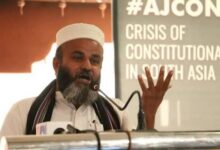
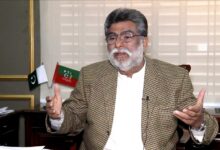
Maulana Abdul Rahman Rafiq said that the practice of ambushing the public mandate and imposing non-representative elements is proving harmful to the country’s political, economic, and administrative system. According to him, the rulers who came to power by ignoring the people’s opinion prioritized personal interests and the protection of power instead of the country and the nation, which has damaged the people’s trust in the democratic system and affected the credibility of state institutions.
He said that only genuinely elected representatives are the voice of public problems and an effective means of solving them, while, according to him, the non-representative cabal imposed through Form 47 is busy saving power instead of solving public problems.
JUI leaders said that the governance and policies of the current rulers have affected the country’s economy and political stability, while the people are facing problems such as inflation, unemployment, and unrest.
They demanded that respect for the public mandate, transparent elections, and the transfer of power to genuine representatives be ensured. According to them, only such steps can help pull the country out of the current crises and strengthen the foundation of democratic stability.


