Houthi Threats in the Red Sea Raise Concerns Over Pakistan’s Maritime Security and Energy Supply
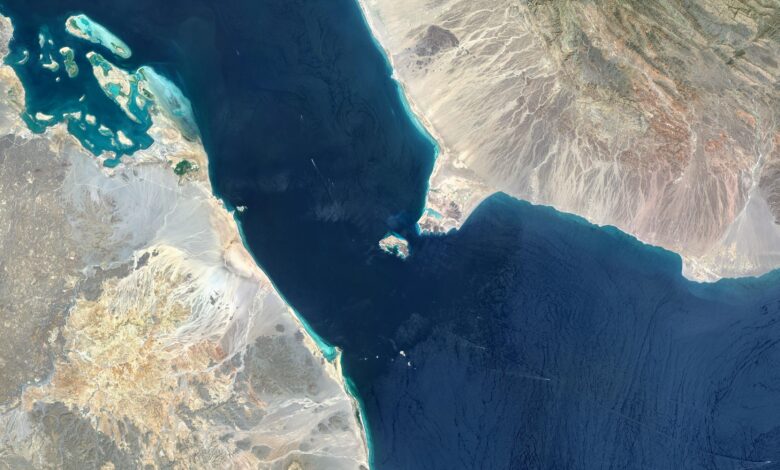
ISLAMABAD: Pakistan has warned Yemen’s Houthi movement against targeting Pakistani-flagged vessels or threatening the country’s maritime interests, following the group’s announcement of a maritime blockade against Saudi Arabia in the strategically important Bab el-Mandeb Strait.
The Bab el-Mandeb Strait, a vital waterway connecting the Gulf of Aden to the Red Sea, serves as a key route for global trade and energy shipments. Roughly 12 percent of the world’s seaborne oil passes through the strait, making any disruption a significant concern for international markets and regional economies.


Pakistan’s Foreign Office stated that any hostile action against Pakistani vessels or the country’s maritime interests would be regarded as a serious threat to national security. It reaffirmed Pakistan’s right, under international law and the United Nations Charter, to take all necessary measures to safeguard its maritime interests. The statement also condemned threats against commercial shipping and reiterated Pakistan’s support for Saudi Arabia’s security and sovereignty.
Security analysts warn that escalating tensions in the Red Sea could directly affect Pakistan, which imports a significant portion of its crude oil from Gulf states through this maritime corridor. Any disruption could increase shipping costs, insurance premiums, and delivery times while exposing commercial vessels linked to Pakistan to greater security risks.
Energy sector experts estimate that Pakistan receives around 12 to 14 oil cargoes each month via routes involving Bab el-Mandeb and Fujairah, with nearly half of them using the Bab el-Mandeb passage. If the route becomes inaccessible, Pakistan may be forced to rely on longer alternative shipping routes around Africa, potentially extending delivery times from about eight days to as long as 45 days and significantly increasing transportation costs.
Analysts also caution that prolonged instability in the Red Sea could have broader geopolitical implications, affecting global energy markets, international shipping, and Pakistan’s economic and strategic interests in the region.