Pakistan’s Finance Minister Says Inflation Will Ease Once Middle East Tensions Subside

Pakistan’s Finance Minister, Senator Muhammad Aurangzeb, has expressed optimism that inflationary pressures will decline once tensions and conflict in the Middle East begin to ease.
Presenting the federal budget in the National Assembly on Friday, Aurangzeb said that despite the impact of the Iran–U.S. conflict, the average inflation rate is expected to remain around 7 percent during the current year, lower than the estimated 7.5 percent projected for the ongoing fiscal year.

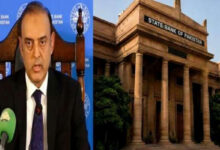
The finance minister acknowledged that inflation has risen in recent months, attributing the increase primarily to instability and uncertainty in the Middle East.
He noted that regional tensions have affected global markets and contributed to price pressures, particularly through their impact on energy and commodity costs.
Aurangzeb expressed confidence that inflation would begin to decline once the security situation in the Middle East improves and geopolitical uncertainties diminish.
The government expects that easing regional tensions, combined with ongoing economic measures, will help stabilize prices and support broader economic recovery in the coming months.