Balochistan Universities Face Severe Financial Crisis, Teachers Urge Urgent Government Action
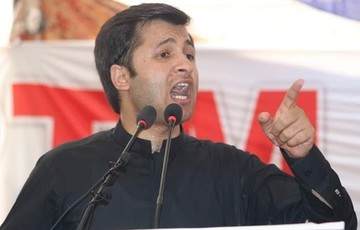
Quetta (Khabar Daily) — Teachers and education experts in Balochistan have expressed serious concern over the worsening financial crisis in universities and educational institutions, warning that the sector is heading toward collapse without immediate intervention.
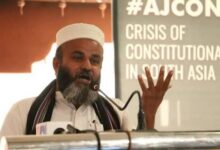
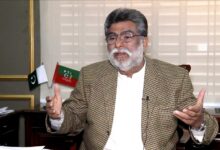
A representative delegation of university and college teachers met Pashtunkhwa National Awami Party (PkNAP) Chairman and Member of the National Assembly, Khushal Khan Kakar, to discuss the growing challenges facing the education sector. The delegation was led by Professor Dr. Kaleemullah Bareech and Professor Hazrat Ali, and included senior academics from universities, degree colleges, and other institutions across the province.
During the meeting, the delegation highlighted severe financial, administrative, academic, and infrastructural issues affecting the education system in Balochistan and across the country. They expressed concern that education, a key driver of national development, is being continuously neglected by successive governments.
The teachers pointed out that the provincial government had allocated only Rs 8 billion in the previous budget for 12 public universities in Balochistan, which they said is far below the required amount. According to them, at least Rs 15 billion annually is needed to effectively run these institutions, maintain academic standards, and support research and infrastructure.
They further noted that at the federal level, higher education has also suffered from insufficient funding. Over the past nine years, since 2017, around Rs 65 billion has been allocated as recurring funding for approximately 280 universities through the Higher Education Commission, which they described as inadequate in light of rising inflation and increasing educational demands.
As a result, universities are facing serious challenges including financial instability, declining academic standards, reduced research activities, delayed salaries for staff, and lack of basic facilities.
The delegation also drew attention to the poor condition of colleges and schools across the province, especially in remote areas where institutions lack proper buildings, classrooms, libraries, laboratories, internet access, clean drinking water, electricity, and furniture.
They highlighted that in many colleges, only one or two teachers are available for hundreds of students, severely affecting the quality of education. Teachers working in remote regions also face a lack of housing, transport, and security facilities.
Rising tuition fees were identified as another major issue, with teachers warning that increasing costs are pushing thousands of students from low- and middle-income families out of higher education, leading to a decline in enrollment.
The delegation urged Khushal Khan Kakar to raise these issues in the National Assembly, parliamentary committees, and other relevant forums, and to push for increased funding, permanent hiring of teachers, improved facilities, enhanced research grants, and student-friendly policies.
In response, Khushal Khan Kakar assured the delegation that education and related issues are among his top priorities. He pledged to raise the matter at all relevant platforms and work towards practical solutions in collaboration with provincial and federal authorities.