How to Detect Milk Adulteration at Home: Simple Tests Revealed
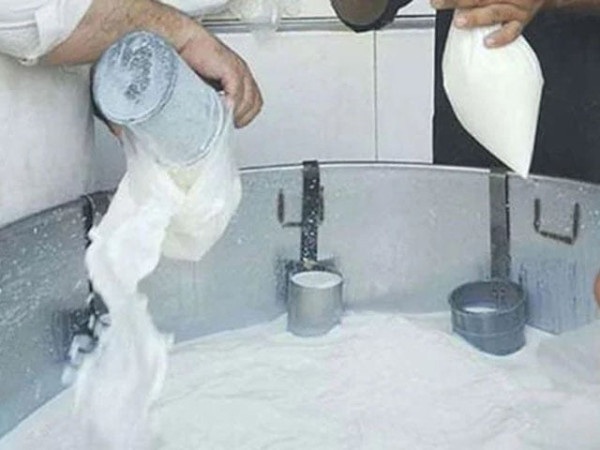
Karachi: Milk, a staple of daily nutrition, is increasingly coming under scrutiny due to rising cases of adulteration that pose serious health risks. Experts warn that beyond simple dilution with water, harmful substances such as detergents, starch, urea, and even vegetable ghee are now being added to enhance the appearance and thickness of milk.
Health specialists say these additives are used to make milk look whiter, creamier, and thicker, but they can be dangerous for human consumption. However, several simple home-based tests can help consumers identify whether their milk is pure or adulterated.


To detect urea, experts suggest adding half a teaspoon of soybean or pulse powder to milk, followed by dipping red litmus paper into the mixture. If the paper turns blue, it indicates the presence of urea.
For identifying detergents or soap, mix equal quantities of milk and water in a bottle and shake it well. If excessive foam forms and persists, it is likely adulterated. Pure milk produces minimal foam that disappears quickly.
To check for vegetable ghee, add a few drops of hydrochloric acid and a teaspoon of sugar to the milk. A red color after a few minutes suggests the presence of added ghee.
Starch or flour can be detected by adding a few drops of iodine to warm milk. A blue color indicates adulteration, while pure milk remains unchanged.
To identify water dilution, place a drop of milk on a smooth surface. If it flows quickly, it likely contains water; pure milk flows slowly.
Experts emphasize that regularly testing everyday food items, especially milk, is essential to avoid harmful adulteration and ensure the health and safety of families.