Dr. Abdul Malik Baloch Stresses Meaningful Dialogue for Lasting Peace in Balochistan, Calls for Resolution of Rigged Mandate and Missing Persons Issue
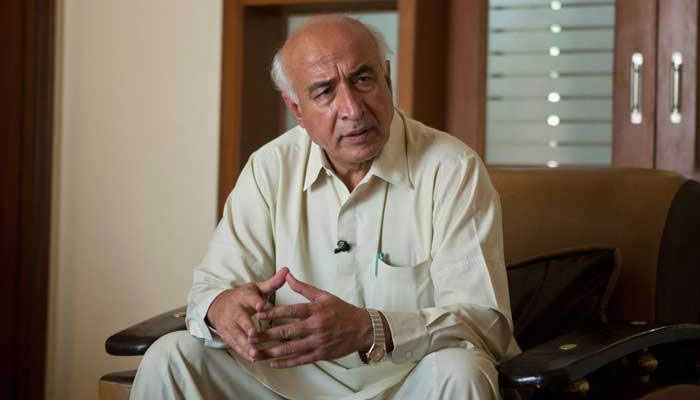
**Quetta:** Dr. Abdul Malik Baloch, leader of the National Party, emphasized the necessity of purposeful negotiations to achieve sustainable peace and stability in Balochistan during an Eid gathering organized by National Party Killi Ismail for newly joined members and party workers in PB-43. The event was hosted at the residence of Provincial Women Secretary and Balochistan Assembly member, Kulsoom Niaz Baloch.
Dr. Abdul Malik Baloch was joined by Central Secretary General Mir Kabir Ahmed Muhammad Shahi, Provincial President Aslam Baloch, Central Vice President Dr. Ishaq Baloch, Quetta District President Haji Atta Muhammad Bangulzai, and other party leaders. In his address, he underscored that the National Party will not compromise on people’s right to governance and democratic rights. He stressed that Balochistan’s lasting peace requires meaningful negotiations and highlighted that Pakistan, as a multi-ethnic state, must ensure equal rights for Baloch, Punjabi, Sindhi, Pashtun, Hazara, and other communities.

He reaffirmed the party’s philosophy of national and class-based struggle, rejecting the use of force. “Power lies with the people, and governance must remain with their elected representatives. Political parties and ideologies cannot be destroyed by force,” he said, citing historical examples of failed military regimes.
Dr. Baloch also criticized the manipulation of the public mandate in recent elections and the imposition of leaders disconnected from the people. He voiced grave concern over the prevailing unrest in Balochistan, the disappearances of youth, and frequent discoveries of bodies, urging both sides to pursue dialogue and for the state to recover missing persons.
Commenting on regional developments, he condemned U.S. and Israeli aggression against Iran and called on the international community to actively support peace. He further emphasized resolving Pakistan-Afghanistan issues through negotiations rather than conflict.