Taking Political Differences to Point of No Return Dangerous for Country’s Stability: Maulana Abdul Wasey
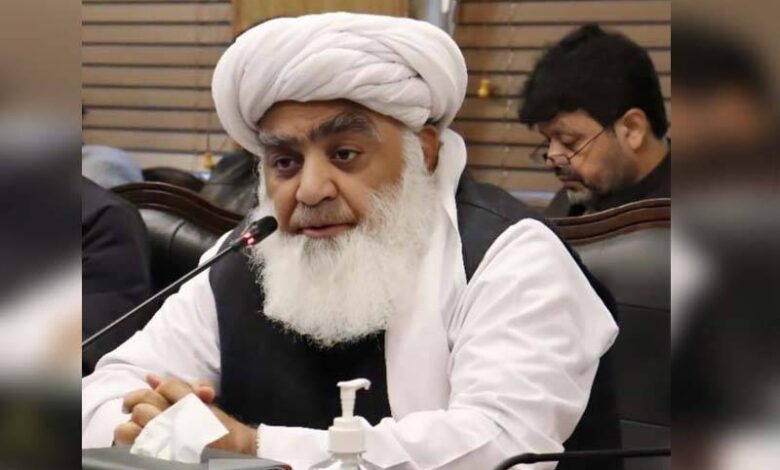
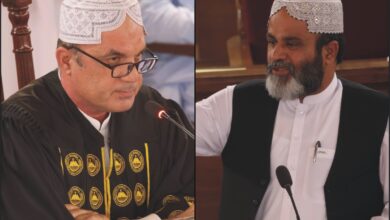
**Quetta:** Jamiat Ulema-e-Islam (JUI) Balochistan chief and Senator Maulana Abdul Wasey has warned that pushing political differences to the “point of no return” poses a serious threat to national stability, democracy, and unity.
Addressing the Senate session, he said that while disagreement is the essence of a democratic system, turning it into a politics of revenge, ridicule, and confrontation would push the country toward instability. He emphasized that political rivalry should not be allowed to escalate into personal enmity or actions that endanger the country’s cohesion.
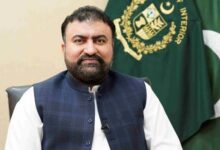
The senator stated that providing complete medical facilities to any political leader, particularly former Prime Minister Imran Khan, on humanitarian grounds is the moral, constitutional, and legal responsibility of the government. “Political differences aside, there should be no compromise on human rights and access to medical treatment,” he said, adding that a civilized state ensures justice and fair treatment even for its opponents.
Maulana Abdul Wasey noted that mature societies keep differences within the framework of dialogue and the Constitution. Nations that turned political opposition into personal hostility suffered from chaos, while those that embraced tolerance and democratic principles progressed steadily.
He expressed concern over attempts by certain quarters to portray ideological differences as threats to national unity, calling such behavior irresponsible. He stressed that political parties must have a free and fair political space, and decisions should be made through the power of the people’s vote rather than behind closed doors.
The JUI leader further said that politics must be freed from artificial divisions and engineered formulas, as past manipulation of the political process has weakened democracy and eroded public trust in institutions. He maintained that the solution to Pakistan’s economic, social, and security challenges lies in political stability, supremacy of the Constitution, parliamentary sovereignty, and national dialogue.
Concluding his address, he said that reconciliation—not confrontation—justice—not revenge—and tolerance—not hatred—are the principles that can make Pakistan a strong and civilized state. He reaffirmed that Jamiat Ulema-e-Islam would support every initiative aimed at strengthening democracy, respecting the public mandate, and promoting national unity.