High Taxes and Energy Costs Are Real Issues, Admits Finance Minister Aurangzeb
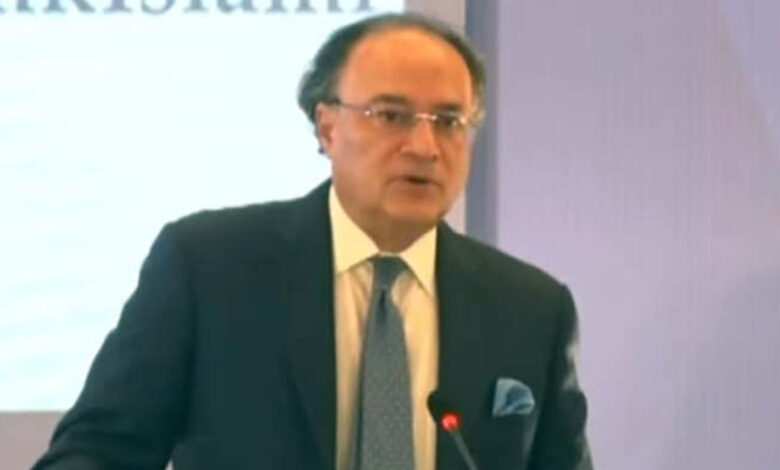
Islamabad:Federal Minister for Finance Muhammad Aurangzeb has acknowledged that high taxes and energy prices are major challenges for Pakistan’s economy, admitting that some firms are leaving the country due to these issues.
Addressing the Pakistan Policy Dialogue, the finance minister said it is a reality that certain businesses are relocating abroad and the government must accept that high taxation and expensive energy are genuine problems. He emphasized that increasing duties indiscriminately harms the economy and stressed the need to rationalize tariffs and reduce the cost of doing business.

Aurangzeb said that tax policy has now been transferred from the Federal Board of Revenue (FBR) to the Finance Division, clarifying that FBR’s primary role is tax collection. He shared that Pakistan received $38 billion in remittances last year, while remittances are expected to reach $41 billion in the current year.
The finance minister stated that major reforms have been introduced in the tariff sector. He added that moving towards an export-led economy requires the rationalization of tariffs. He also revealed that by June this year, all government payments will be shifted to digital channels.
Highlighting financial inclusion efforts, Aurangzeb said non-banking individuals are being brought into the formal financial system. He noted that economic reforms are essential for sustainable development and that the government’s reform agenda aims to reduce the burden on the national exchequer and stabilize the economy.
He further said that tariff reductions will boost Pakistan’s exports and industrial production, adding that for the first time, duties on raw materials have been reduced through tariff reforms. According to him, the current economic reforms could prove to be Pakistan’s “East Asia movement,” though he noted that debt repayments did not decline automatically and required deliberate policy measures.
Speaking on privatization, the finance minister said local investors participated in the privatization of Pakistan International Airlines (PIA), while 24 state-owned enterprises have been handed over to the Privatization Commission. He disclosed that state-owned entities incur annual losses of around Rs1,000 billion. As part of reforms, institutions such as Utility Stores Corporation, PWD, and PASSCO have been shut down due to corruption in subsidies allocated to them.