Finance Minister Proposes 5% Tax on Pensions Exceeding Rs. 10 Million Amid Soaring Pension Burden
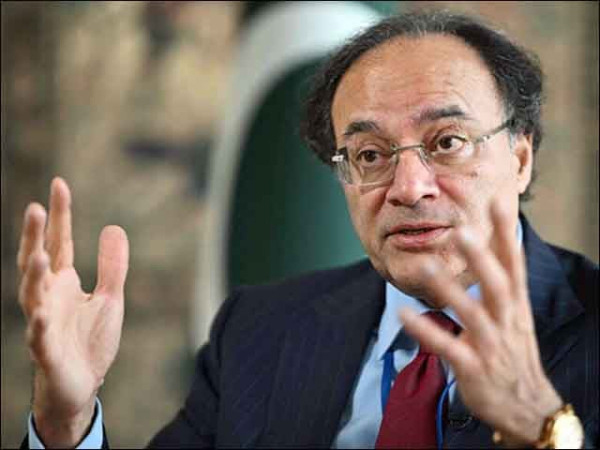
Islamabad: Federal Finance Minister Muhammad Aurangzeb has revealed that Pakistan’s pension expenditure has surpassed Rs. 1 trillion, exceeding the national development budget. In a significant move, the federal budget proposes a 5% tax on annual pensions exceeding Rs. 10 million to ensure resource allocation for other vital sectors.
Speaking at an event organized by the Securities and Exchange Commission of Pakistan (SECP), the finance minister said the soaring pension bill demands urgent structural reforms. He noted that the government is actively working on addressing potential economic impacts arising from regional tensions, including ensuring adequate energy reserves and monitoring their pricing.
Aurangzeb shared that constructive dialogue with key stakeholders was held recently, focused on stabilizing the energy sector and managing economic vulnerabilities. He also reported a positive conversation with the U.S. Secretary of Commerce, stating that both nations are moving in the right direction and that Pakistan remains a competitive market under the U.S. tariff structure.
The minister emphasized that structural reforms will be implemented on a sustainable basis across major sectors including taxation, state-owned enterprises (SOEs), and energy. He said measures are underway to curb government expenditures and manage debt efficiently.
Highlighting ongoing pension reforms, the minister reiterated the necessity of ensuring funds for other priority sectors. He proposed drawing insights from the pension and public-private partnership models of Sindh and Khyber Pakhtunkhwa to improve the system.
Regarding recent tariff reforms, the finance minister acknowledged that certain industries may face challenges, and in response, the Prime Minister has formed a committee comprising all stakeholders to facilitate this transitional phase.
Aurangzeb concluded that comprehensive reforms are essential to building a resilient and inclusive economy.