Experts Call for Structural Reforms and Focus on Agriculture to Boost Pakistan’s Economic Growth
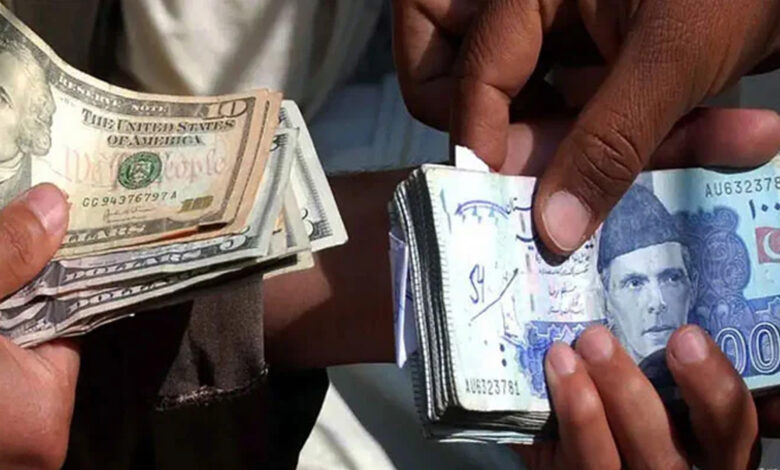
Renowned economic experts, including Khakan Najeeb and prominent industrialist Arif Habib, have expressed concerns over Pakistan’s economic performance, emphasizing the need for strategic reforms, especially in agriculture and industry, to achieve sustainable growth.
Khakan Najeeb, a leading economist, stated that the International Monetary Fund (IMF) has managed to lift Pakistan’s economy from an “ICU” state into the “operation theater,” but stressed that structural reforms are still required to ensure long-term stability. He further pointed out that the cotton production has remained stagnant at around 6 to 7 million bales, while India has doubled its cotton output. He emphasized that both federal and provincial governments need to invest more in research and development (R\&D) to improve agricultural productivity.
Najeeb also discussed the growing challenges facing Pakistan’s agriculture sector, particularly the decline in cotton production and the country’s rising import bills due to the need for importing raw materials. “The research and development deficit in Pakistan is a significant concern. The government must take it seriously, as R\&D is essential for boosting agricultural output,” he said. He also suggested that allocating funds for R\&D in the upcoming budget could lead to positive outcomes for the agriculture sector, especially for crops like rice and cotton.
On the broader economic front, Najeeb highlighted that the country’s economic growth remains weak, with low incentives for tax net expansion. He called on the government to offer attractive opportunities to bring more people into the tax network instead of penalizing those outside it. “The government’s current tax policy is more about punishing non-filers rather than encouraging them to become part of the formal economy,” Najeeb stated.
**Arif Habib, a prominent industrialist,** also pointed to challenges in the agricultural and manufacturing sectors. He noted that Pakistan’s GDP growth target for the year could not be met due to underperformance in agriculture and large-scale manufacturing. “This year, the agricultural sector has suffered badly, and the prices of agricultural commodities have dropped significantly,” Habib said, urging the government to incentivize farmers by introducing modern technologies and reducing the cost of production.
He also discussed the adverse impact of rising inflation on industrial performance, stating that many industries are running below their capacity due to the high cost of energy and raw materials. Habib recommended a revision of energy tariffs and the introduction of policies that could stimulate demand for industrial products. “The manufacturing sector is operating below capacity because of reduced consumer purchasing power, which has been hit by inflation. We need policies that drive demand,” he added.
Additionally, Habib praised the government’s decision to set up a task force for the construction industry, emphasizing the untapped potential of the sector. He highlighted the lack of mortgage financing in Pakistan and suggested that if the government provided support for this sector, it could significantly boost the housing market and contribute to economic growth.
**Key Recommendations by Experts:**
1. **Focus on Agricultural R\&D:** Increased investment in research and development is crucial for improving agricultural productivity, particularly in crops like cotton and rice.
2. **Tax Reforms:** The government should create more incentives for people to enter the formal tax net, rather than imposing punitive measures on those outside it.
3. **Energy Costs and Inflation:** A revision of energy tariffs is necessary to reduce production costs in the manufacturing sector, which will help industries operate at full capacity.
4. **Support for Construction Industry:** The government should encourage mortgage financing to stimulate growth in the construction sector, which has significant potential in Pakistan.
The experts agree that without addressing these structural issues, Pakistan’s economic growth will continue to struggle. As the country moves forward, there is a growing need for comprehensive reforms to boost agricultural output, reduce industrial costs, and create a more inclusive tax system.