India’s Water Aggression Enters New Phase, Raises Concerns Over Water Shortage in Pakistan
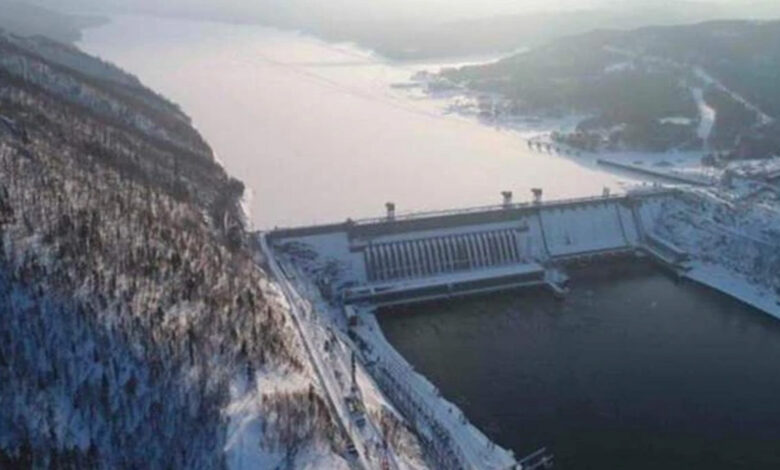
Islamabad:India’s water aggression has entered a new phase, with recent actions taken to block water from the Kishanganga Dam, severely affecting the flow of the Neelum River in Pakistan. According to security and local officials, the flow of water in the Neelum River has decreased by approximately 40% due to India’s actions, raising concerns about a severe water shortage in Pakistan’s administered areas.
The Kishanganga Dam, which is part of the contentious water projects between India and Pakistan, has once again emerged as a significant environmental and water challenge for Pakistan. Sources suggest that although India had temporarily released water from the dam during recent tensions, the sudden closure of water now is having direct consequences on the Neelum Valley’s water supply and agricultural activities.


Reports indicate that India has accelerated its work on a project to link the Chenab River with the Beas and Ravi systems, which is being viewed as a violation of the spirit of the Indus Water Treaty at the international level. Experts believe that this is part of India’s long-standing plan to restrict Pakistan’s share of water, putting the country under both environmental and economic pressure.
It is noteworthy that on April 23, 2025, after the Pahalgam attack, India threatened to suspend the Indus Water Treaty. Following this, India has used water as a strategic weapon, unilaterally altering the treaty and further escalating tensions between the two nations over water rights.